
Backyard spaces offer children chances to learn respect for nature through simple projects that foster awareness and responsible daily habits. As moms, we can turn ordinary outdoor areas into living classrooms where curiosity grows, and practical skills form through steady participation and observation. Each small activity builds understanding of ecosystems, water cycles, soil health, and wildlife needs while encouraging thoughtful choices that support environmental care.
Young learners respond well to hands-on experiences that connect actions with visible outcomes, especially within familiar surroundings near home. When adults model consistent care and explain simple concepts, children develop confidence and empathy toward plants, animals, and shared resources. These backyard projects to teach kids about environment care will help create lasting habits that shape future decisions, guiding children toward stewardship that protects natural spaces.
Start a Native Plant Garden
A native plant garden introduces children to local species and helps them understand how plants support pollinators, birds, and balanced ecosystems. Children can prepare soil and water regularly while observing growth patterns and seasonal changes in a structured, consistent routine. This simple practice builds patience and respect for natural cycles while showing how thoughtful planting choices support biodiversity within a limited backyard space.
As plants mature, children notice insects, birds, and small animals that visit, forming connections between habitat creation and ecological balance. You can explain relationships between roots and water retention to deepen understanding through clear, direct conversations during routine garden care. Over time, this project reinforces responsibility as children maintain plant health and appreciate how native species thrive without excessive external inputs or interventions.
Create a Rainwater Collection Setup
A rainwater collection setup shows children how natural precipitation can support garden needs and reduce reliance on treated water sources at home. Children can help place containers, observe rainfall, and measure collected water to understand how weather patterns influence available resources over time. This project builds awareness of conservation practices and demonstrates practical steps families can take to reduce water use without complex systems.
Monitoring water levels encourages children to think about supply, usage, and responsible distribution during dry periods within their backyard environment. You can discuss simple concepts about runoff and filtration to strengthen understanding through clear explanations tied to daily observations.
Design a Backyard Wildlife Habitat
A backyard habitat invites birds, insects, and small animals, helping children understand how shelter and water support diverse living systems. Children can place feeders and plant supportive vegetation while observing how different species interact within their created environment. This project fosters empathy and teaches respect for living creatures through consistent care and mindful observation of natural behaviors.
As wildlife appears, children gain insight into food chains and habitat needs through direct, repeated exposure in a safe, familiar setting. Explain how human actions affect habitats and encourage thoughtful decisions that protect wildlife from harm or unnecessary disturbance. This experience builds responsibility and encourages children to value coexistence with nature while maintaining balance within their backyard ecosystem.
Set Up a Small Pond Ecosystem
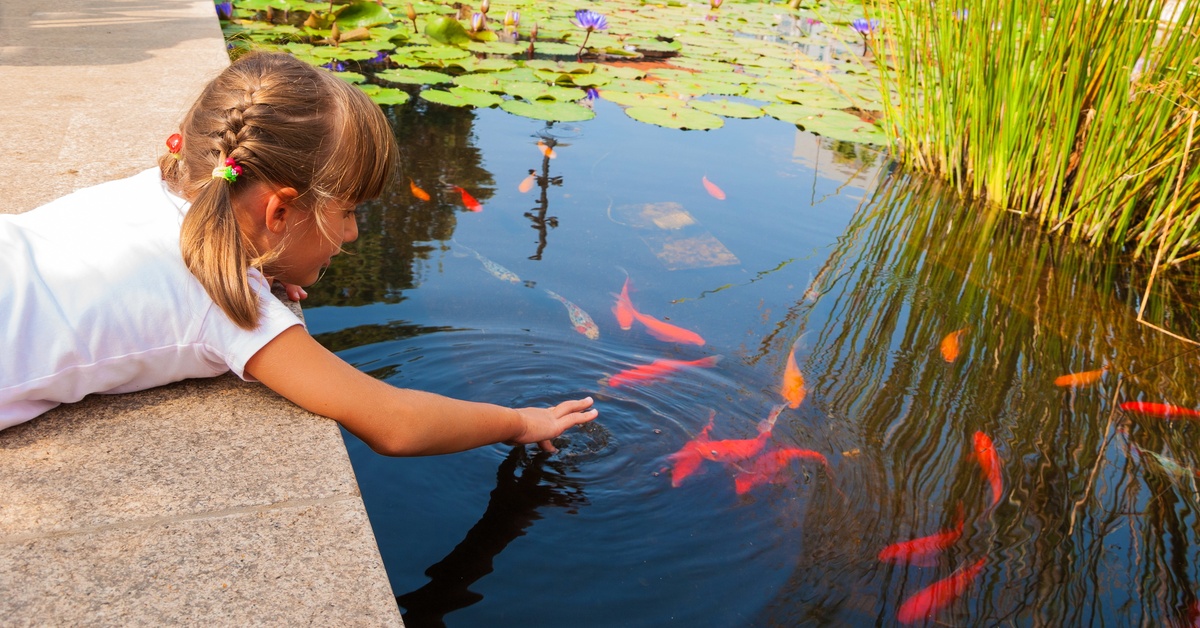
A small pond offers opportunities to explore water ecosystems that depend on clean, balanced conditions. Children can help add stones, plants, and water while observing clarity and changes over time as the system stabilizes naturally. This project teaches patience and attention to detail as children monitor conditions and learn how small adjustments affect overall ecosystem health.
With this simple guide to keeping your pond water clean and clear, you can ensure balanced conditions that support aquatic life. Children observe algae growth and plant health while learning how sunlight, nutrients, and debris influence pond stability over time. You can explain simple maintenance steps and natural filtration concepts to reinforce understanding and encourage consistent care within a manageable backyard setup.
Install a Solar Light Experiment
A solar light experiment introduces renewable energy concepts through simple tools that demonstrate how sunlight converts into usable power for everyday needs. Children can place solar lights, observe charging during daylight, and note illumination patterns after sunset to understand energy storage and use cycles. This project offers a clear example of sustainable energy use that reduces reliance on traditional electricity sources.
Observation over several days helps children connect sunlight exposure with performance, reinforcing understanding through repeated, visible outcomes in a backyard setting. This activity builds awareness of alternative energy solutions and encourages curiosity about sustainable technologies for future use.
Grow Vegetables for Family Meals
Growing vegetables is one of the best backyard activities to teach kids about the environment because it allows them to connect food sources with environmental factors that influence crop success. Children can plant seeds and harvest produce while observing how sunlight, soil, and water affect growth and yield. This project promotes appreciation for food and reduces waste as children understand the effort involved in producing fresh, healthy ingredients at home.
Harvest time provides a sense of accomplishment and reinforces connections between responsible care and tangible results that children can see and taste. This activity supports healthier habits and strengthens awareness of sustainable food practices within everyday family routines.
Practice Soil Care and Erosion Control
Soil care activities teach children how healthy soil supports plant life and prevents erosion that can damage ecosystems and reduce land productivity. Children can add mulch, plant ground cover, and observe water movement to understand how soil structure affects stability and moisture retention.
Through observation, children notice how covered soil retains moisture better and resists displacement during rainfall or watering activities. You can explain relationships between roots, soil particles, and water absorption using clear language tied to visible changes. This experience reinforces respect for natural resources and highlights practical steps that preserve soil health in everyday backyard environments.
Build an Insect Observation Area
An insect observation area allows children to study small creatures that play important roles in ecosystem balance within nature. Children can place logs, stones, and plants to attract insects while observing behavior and interactions in a safe, structured environment. This project builds curiosity and reduces fear as children learn about beneficial insects and their contributions to healthy ecosystems.
Regular observation helps children identify patterns and recognize differences between species while developing patience and attention to detail over time. This activity encourages respect for even the smallest organisms and reinforces understanding of interconnected systems within the natural world.
Backyard projects provide accessible ways for children to engage with environmental care through consistent, hands-on experiences within familiar surroundings at home. Each activity builds knowledge, responsibility, and respect for natural systems while reinforcing connections between actions and environmental outcomes in meaningful ways. These experiences shape attitudes that support long-term sustainability and encourage thoughtful choices that benefit local environments and broader ecosystems.
When everyone participates together, children gain confidence and develop habits that extend beyond backyard spaces into daily life and future decisions. Clear explanations and steady routines help reinforce understanding while keeping activities enjoyable and manageable for different ages and skill levels. Through simple projects, children learn to care for the environment with intention, building a foundation for responsible stewardship that continues into adulthood.