
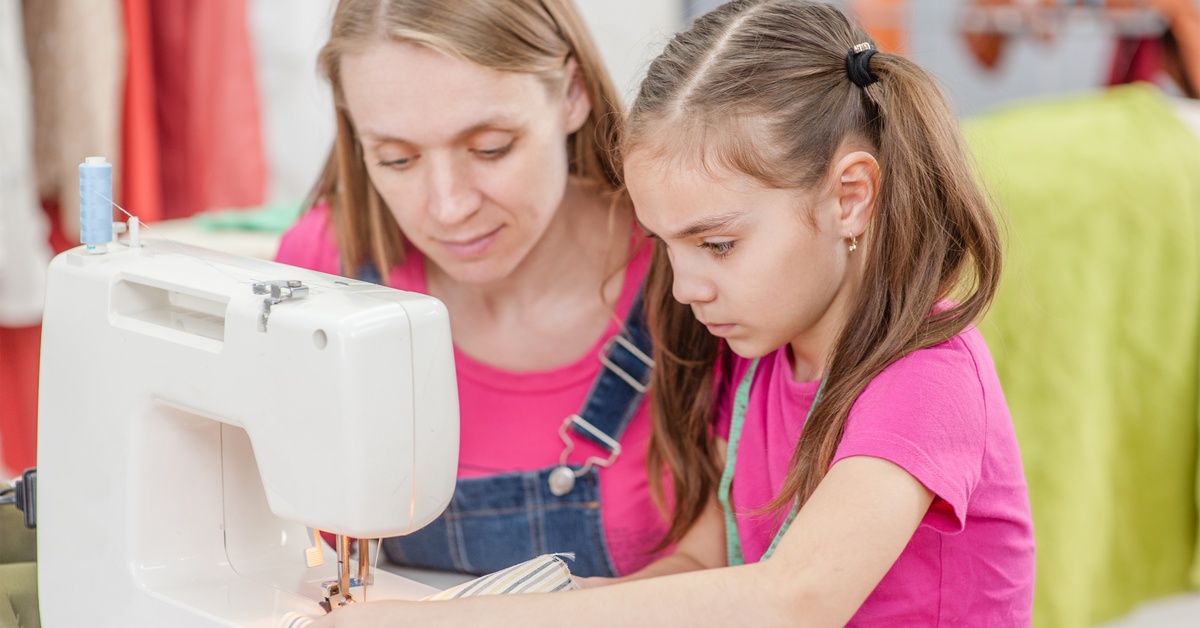
Sewing offers a meaningful way for mothers and children to connect through shared effort, creativity, and purpose in a calm environment. It builds patience and communication through hands-on tasks that feel rewarding without pressure or distraction from outside demands. This activity creates lasting memories through simple projects that encourage teamwork in every completed piece.
Many parents search for activities that combine learning and enjoyment without reliance on screens or constant supervision from adults. Sewing answers that need through tactile experience and creative expression that engages mind and body in a productive manner. Learning why sewing is the perfect mother/kid activity will help support growth in skills that extend beyond crafts into independent problem-solving abilities.
Encourages Meaningful Bonding Time
Sewing creates shared experiences that allow you and your children to spend uninterrupted time together in a calm and focused setting. Each project invites conversation and laughter through simple steps that feel achievable and satisfying for everyone involved. These moments strengthen emotional connections and create a sense of trust that supports open communication with your child.
Children often respond positively when adults show patience and interest during shared activities that require attention and care. Sewing provides a natural setting where guidance feels supportive rather than demanding, which helps children feel secure and valued during each session. This connection builds confidence and reinforces a sense of belonging that extends into other areas of family life.
Builds Patience and Focus
Sewing requires steady attention and thoughtful decisions that help children develop patience through consistent practice over time. Each stitch represents progress, and each small success encourages children to remain engaged and attentive to detail throughout the process. This gradual pace supports mental discipline without the pressure or frustration that often comes from fast-paced activities.
Parents can model calm behavior during sewing tasks to help children learn how to approach challenges with a steady and thoughtful mindset. The repetition involved allows children to focus on one task at a time and strengthens concentration. Over time, this practice improves attention span and supports better learning habits across different environments.
Teaches Practical Life Skills
Sewing introduces children to practical skills that serve useful purposes beyond creative projects and decorative items made at home. They learn how to repair clothing and understand the value of maintaining personal belongings with care. These lessons encourage responsibility through tasks that feel relevant and applicable in daily routines.
You can explain each step clearly to help children understand the purpose behind actions rather than simply following instructions without context. This understanding builds confidence and encourages curiosity about how things work, which supports broader learning experiences in other subjects. Sewing becomes a foundation for practical knowledge that children carry into adulthood with confidence.
Boosts Creativity and Expression
Sewing allows children to explore ideas through colors and textures that reflect personal style and imagination in each project. They gain freedom to experiment with designs and express emotions through tangible creations that feel meaningful and unique. This process supports creative thinking and encourages children to take pride in the original work they complete.
You can guide decisions without limiting creativity, which helps children feel supported without losing ownership of their ideas and designs. The balance between structure and freedom creates a positive environment where creativity can thrive without fear of mistakes. This confidence encourages children to explore new ideas across different creative activities and interests.
Strengthens Problem-Solving Skills
Sewing often presents small challenges that require thoughtful solutions, such as fixing mistakes or adjusting patterns to achieve desired results. Children learn to approach problems with patience and persistence through guided support during each step of the process. This experience builds confidence in their ability to handle challenges without becoming discouraged.
You can ask questions that prompt children to think critically about solutions and encourage independent reasoning. This approach helps children develop strategies for overcoming obstacles in a calm and methodical way that feels manageable. These skills transfer into academic and personal situations that require thoughtful problem-solving and resilience.
Creates a Dedicated Creative Space
A consistent sewing area helps children associate a specific place with creativity and productive activity that feels safe. This environment reduces distractions and allows you and your child to concentrate fully on their shared projects without interruption. It also reinforces the value of organization and preparation before beginning any creative task.
With these tips for creating a dedicated sewing space, you can establish routines that encourage consistency and enthusiasm for each session together. A well-arranged space supports efficiency and reduces frustration through easy access to materials needed for projects. This preparation helps children feel ready and motivated to begin each sewing activity with confidence.
Encourages Teamwork and Cooperation
Sewing projects often require shared effort, where different tasks allow you and your child to create a sense of teamwork. Each person contributes in a meaningful way, which fosters cooperation and mutual respect during the creative process. This shared responsibility helps children understand the value of working together toward a common goal.
Assign age-appropriate tasks that allow your children to feel capable and involved without feeling overwhelmed. This structure supports collaboration and helps children learn how to communicate effectively during joint activities. Over time, these experiences strengthen interpersonal skills that benefit relationships beyond the family environment.
Opens the Door to DIY Projects
Sewing introduces children to a wide range of creative possibilities that extend beyond simple tasks into more advanced and exciting projects. They begin to see how skills can evolve and lead to new ideas that reflect personal interests and creativity. This progression keeps the activity engaging and encourages continuous learning through exploration.
A sewing machine will allow you to create some of these awesome DIY projects to enjoy with your kids and expand creative opportunities through more versatile techniques. This tool increases efficiency and allows for more complex designs that maintain interest and challenge skill development. It transforms simple projects into exciting creations that inspire continued participation and curiosity.
Provides a Screen-Free Activity
Sewing is one of the best activities for mothers and kids because it offers a break from digital devices and allows children to engage with hands-on tasks that stimulate creativity. This shift supports mental clarity and reduces reliance on passive forms of entertainment that often limit active participation. It encourages children to explore activities that require effort and imagination without external stimulation.
Parents benefit from this shared time as well, since it creates an opportunity to disconnect from daily distractions and focus on meaningful interaction. The absence of screens promotes conversation and connection that feels engaging for both participants. This environment supports healthier habits and a balanced approach to leisure and relaxation.
Sewing is a powerful activity that combines creativity, learning, and connection in a way that benefits you and your children deeply. It supports emotional growth and shared experiences that strengthen family relationships through meaningful interaction. Each session offers an opportunity to build confidence and understanding through simple yet impactful creative work.
Families that embrace sewing often discover a lasting activity that evolves with time and continues to offer value across different stages of development. The lessons learned extend beyond fabric and thread into communication and creative thinking that shape future success.