
Discover how toys influence children’s worldviews by shaping skills, empathy, and imagination. Learn how to choose toys that inspire and educate.
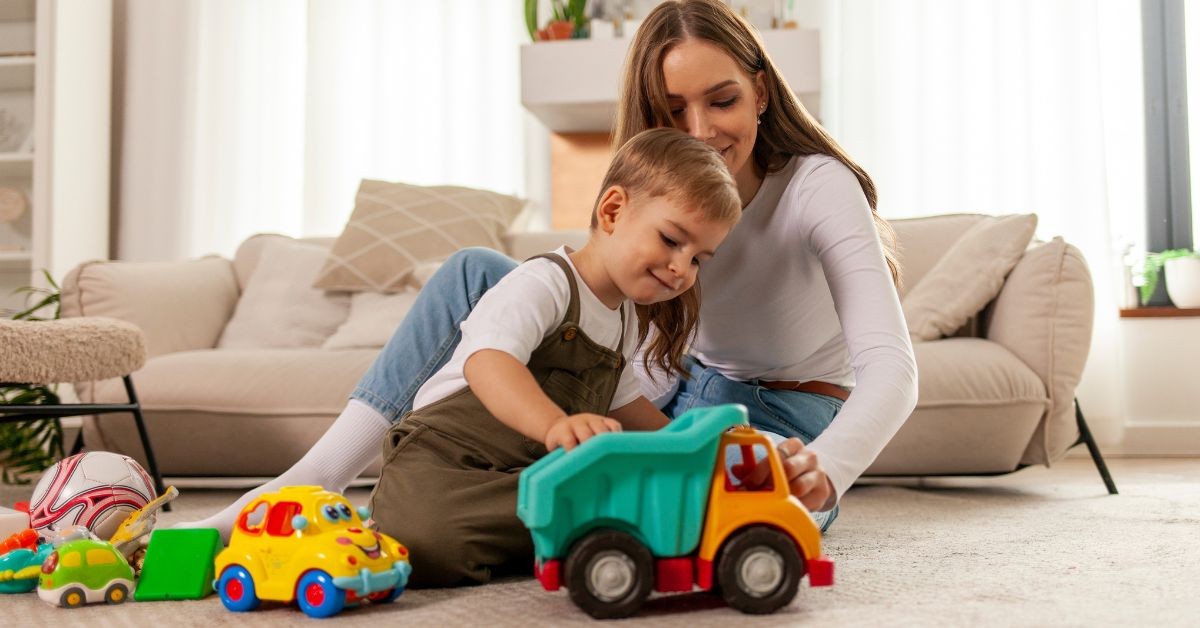
When young children play, they aren’t just entertaining themselves; they’re learning, imagining, and forming perspectives about the world. Every toy they hold and play with can impact their worldview. Toys present an opportunity to experience new ideas, explore different roles, and develop skills that build the foundation for life.
Why Toys Shape Kids’ Perspectives
Toys aren’t just objects that children interact with; they’re conduits for social learning and emotional development. When kids interact with toys, they mimic scenarios, rehearse real-life interactions, and imagine possibilities. This “playful practice” lays the groundwork for understanding societal norms, relationships, and even biases.
Toys Assist With Cognitive Growth
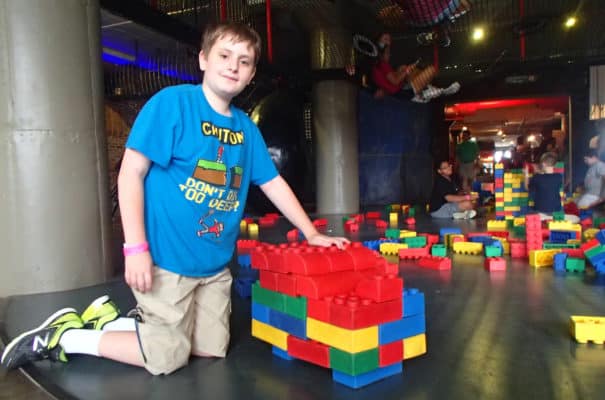
Playing with toys such as puzzles, building blocks, and educational games encourages problem-solving, critical thinking, and spatial reasoning. Without these toys, many children would be left without cognitive challenges to help them learn before entering school.
Emotional and Social Skills Through Play
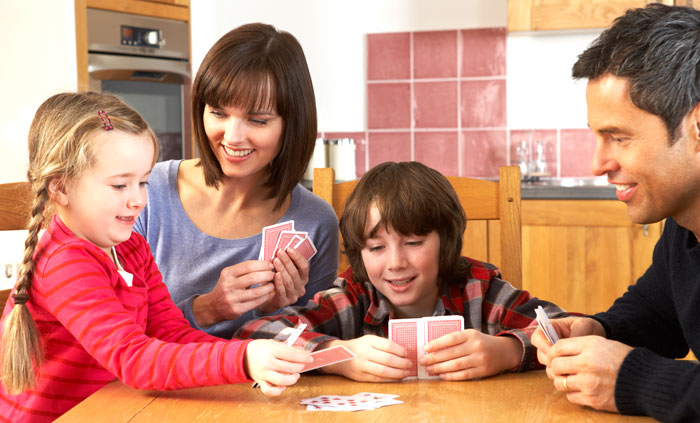
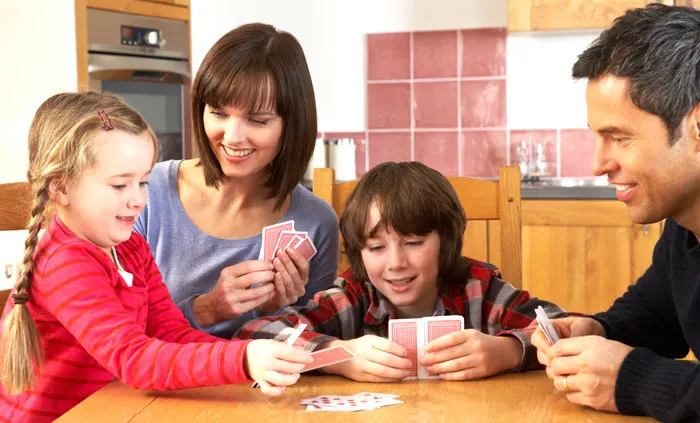
Toys can help children explore and express emotions. Dolls, figurines, and stuffed animals can become friends, allowing a child to role-play different scenarios. These toys can help shape the way that children see the world.
How Toys Influence a Child’s Worldview
Beyond basic development, toys also play a critical role in shaping a child’s understanding of society and their role within it. Without a diverse group of toys, children might see the world differently.
Representation
Children are often excited when they see a toy that resembles them, as it’s a way to play with a representation of themselves. If they don’t have that representation, that can limit how they think of themselves, even during playtime.
That’s why it’s so important to provide inclusive dolls to kids so they aren’t discouraged from thinking they could do and be anything they set their minds to. Slowly, companies have begun to design toys that represent everyone, allowing for more kids to see themselves in the dolls and toys they play with and see a better representation of others in the world.
Cultural Awareness
Similar to representation, many children can be introduced to other cultures through toys. A child in the US playing with a set of figurines dressed in traditional Japanese kimonos or an African drum set wouldn’t see that as odd, but one who isn’t familiar with those cultures might. Exposing children to multicultural toys helps them develop an open mind toward others. This way, they can appreciate other cultures without prejudice.
Creativity
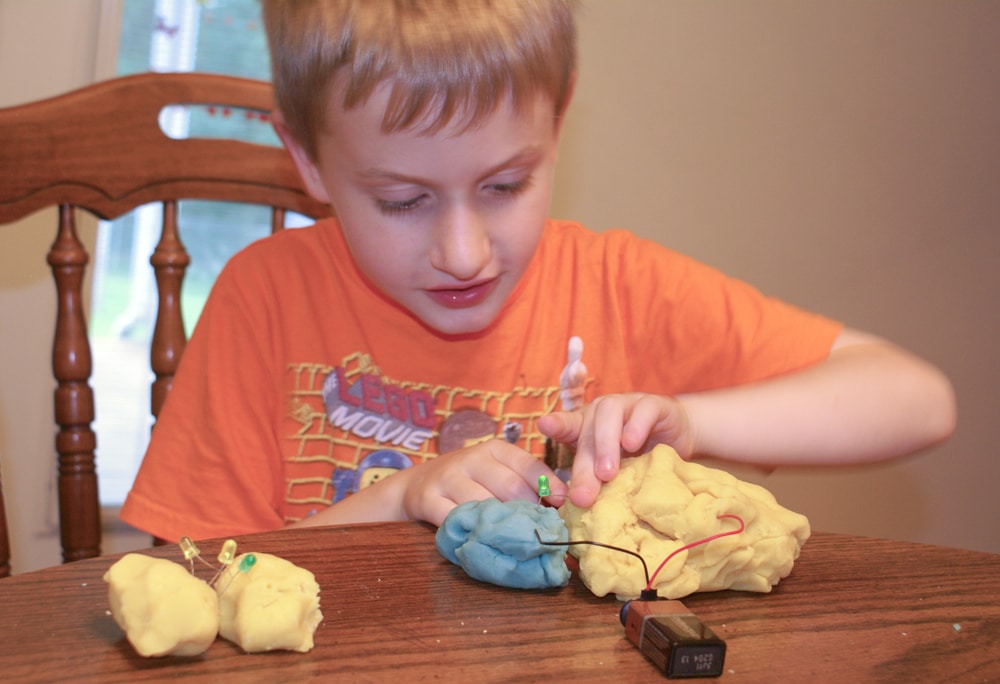
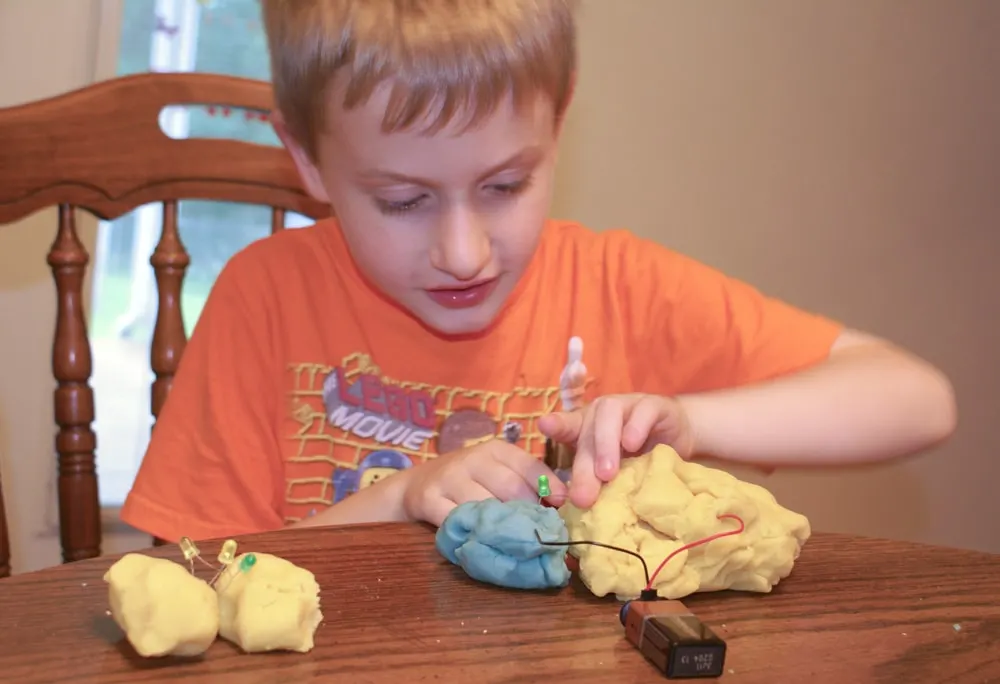
Toys like play kitchens or castles allow children to create imaginary scenarios, from running their fictional restaurants to battling dragons. In these settings, they can create stories that develop their imagination. Storytelling helps foster creativity and problem-solving.
Choose Toys that Inspire Your Children
The toys we introduce to our children today shape the leaders, innovators, and empathetic humans of tomorrow. Understanding how toys influence a child’s worldview allows all parents to consider the types of toys they purchase for their kids.