
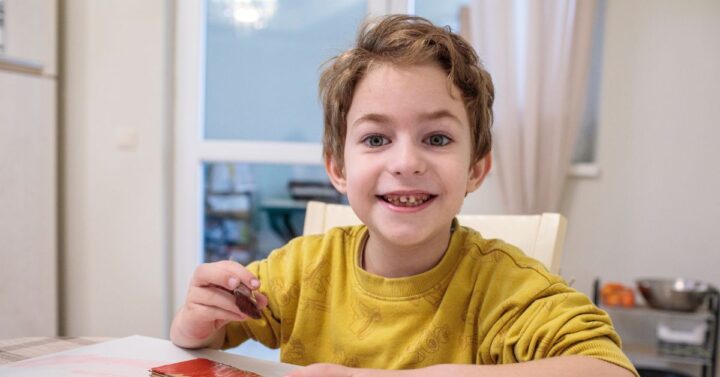
There is something especially satisfying about sitting down and adding paint to a craft project. Whether it is a wooden birdhouse, a cardboard sword, or a 3D-printed creation, painting gives your kids the opportunity to enhance something plain by adding bright new colors.
However, this process can quickly go sideways if the project feels too big or complicated. Fortunately, you can help simplify this process for them. Review these five tips for making craft painting easier for kids.
Choose the Right Tools for the Job
Not all brushes and materials are equal, and not all are suited for younger hands. Using chunky brushes, washable paints, and sturdy paper can make a big difference in how smoothly things go. When the tools match your child’s skill level, their level of frustration drops and their creativity takes over.
You can also show them how to use the appropriate 3M masking tape to create lines on their project and avoid accidental drips that could damage its appearance. By arming them with the right tools, you’ll make the experience easier and help them create a final product that brings them pride.
Prep the Surface Before Painting
Before you let your kid start painting, it helps to set up a dedicated space where kids can work comfortably. A protected surface, such as a covered table, a craft mat, or even a flattened cardboard box, establishes a clear area for children to paint. When kids know exactly where they can paint, they are more likely to stay in that zone and minimize the mess you will need to clean up.
Good lighting and easy access to supplies also make a big difference. Keeping brushes, water, and paper towels within reach prevents kids from wandering around with wet paint, which is usually how colorful footprints end up across the house.
Break the Painting Process Into Stages
Another tip for making craft painting easier for kids is to break this task into stages. This will make the process feel much more manageable. Start with base colors, let everything dry, then come back for details like patterns or highlights.
It also builds anticipation. Coming back to a project the next day makes it feel important, like leveling up in a game rather than finishing a chore.
Use Less Paint Than You Think You Need
One of the biggest challenges in craft painting with kids is paint overload. Too much paint leads to drips, long drying times, and colors blending in ways no one planned. Teaching kids to start with a small amount and build up coverage gives them more control.
A simple trick is to put only a little paint on a palette at a time. When it runs out, they can always add more, but it prevents waste and mess from the start.
Focus on the Finish, Not Perfection
Every craft project has that moment where it looks a little questionable. That is part of the process. Encouraging kids to keep going, add details, or even adapt their designs helps them stay engaged rather than giving up.
In the end, the goal is not a flawless result. It is the experience of creating something from start to finish. And when kids step back and see a finished piece they painted themselves, that sense of ownership makes all the difference.