
Fostering the skills for your children to be more coachable will serve them well beyond their youth. Consider these tips and strategies for coachable kids.
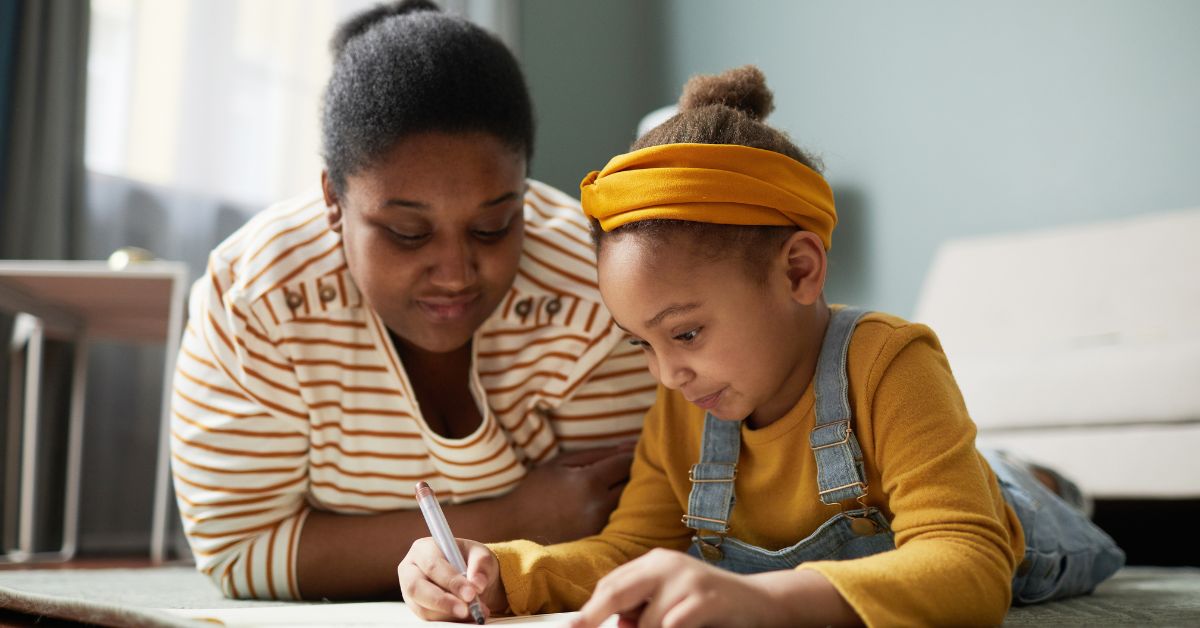
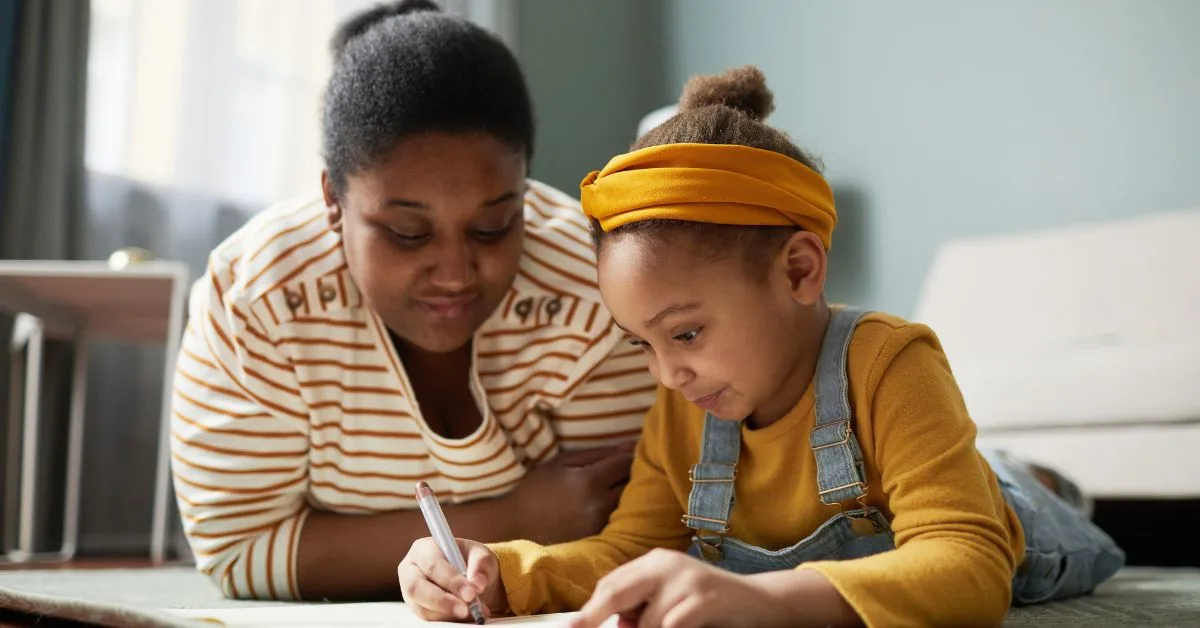
Teaching your children to accept feedback and learn from others sets them up for success in every area of life. Coachable kids thrive in school, sports, and relationships because they stay open to improvement and growth.
You don’t need fancy programs or expensive resources to develop these skills. With consistent effort and the right approach, you can help your children become more receptive to guidance and eager to learn from their mistakes. We’re exploring how to foster these skills in your children so that you can have coachable kids that thrive in any environment.
What Makes a Child Coachable?
A coachable child listens actively, accepts feedback without getting defensive, and shows willingness to try new approaches. These kids ask questions when they don’t understand something and view mistakes as learning opportunities rather than failures.
Coachable children also demonstrate patience with themselves and others during the learning process. They understand that improvement takes time and effort.
Why Coachability Matters for Your Child’s Future
Children who embrace coaching and feedback develop stronger problem-solving skills and build better relationships throughout their lives. They adapt more easily to new situations and recover faster from setbacks.
In academic settings, coachable kids work better with teachers and classmates. They seek help when needed and apply suggestions to improve their performance. Later in life, these same skills help them succeed in careers and personal relationships.
Create Safe Spaces for Communication
Make your home a place where your children feel comfortable sharing their struggles and mistakes. When they come to you with problems, listen without immediately jumping to solutions. Ask questions like “What do you think might work better next time?” to encourage their own problem-solving.
Show Them Your Own Growth
Let your children see you learning new things and making mistakes. When you mess up a recipe or struggle with technology, talk through your process of figuring things out. This normalizes the learning experience and shows that everyone needs help sometimes.
Teach Active Listening Skills
Help your children practice focusing completely on what others say. During family conversations, encourage them to:
- Wait for the speaker to finish before responding.
- Ask clarifying questions when they don’t understand.
- Repeat back what they heard to confirm understanding.
- Show interest through body language and eye contact.
Make Feedback Feel Helpful, Not Critical
Focus on specific behaviors rather than character traits when offering feedback. Instead of saying, “You’re not trying hard enough,” try, “I noticed you gave up quickly on that math problem. What if we broke it into smaller steps?”
Something as simple as helping kids pick out the right bat for baseball can become a coaching moment. Walk them through how weight and length affect their swing, and let them feel the difference between the options they try.
Coachable children become adults who continue learning and growing throughout their lives. By fostering these skills now, you’re giving your children tools they’ll use in every future relationship and challenge.