
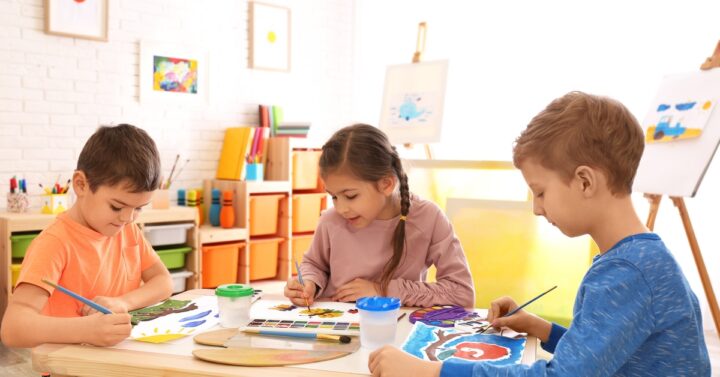
A thoughtfully designed craft room can influence how children approach creativity, problem-solving, and self-expression throughout their formative years. When children have a dedicated space that reflects care and purpose, they feel encouraged to explore ideas freely and develop confidence in their abilities. This environment becomes more than a place for art projects, as it supports emotional growth and a sense of accomplishment with each completed task.
As a parent, you play a key role in shaping this space, as your choices influence how children interact with materials and approach their creative work. Careful attention to layout, lighting, storage, and personalization can transform an ordinary room into a powerful learning environment. With the right craft room setup to improve your kids’ creative skills, you can support organization and confidence.
Organizing Supplies for Easy Access
Accessible storage helps children find materials without frustration and builds independence as they learn to manage their own creative projects effectively. Clear containers with simple labels allow quick recognition of tools, helping children stay focused on ideas rather than searching for missing items. Rotating supplies keeps interest fresh and ensures that new materials inspire creativity without overwhelming the available space.
Storage zones can group similar tools together, making cleanup simple and reinforcing organization habits that children carry into other areas of life. Shelves placed at child level support safe access, while bins with lids protect materials from dust and accidental spills during daily use. Consistent placement builds routine, helping children remember where items belong and return them after each project without reminders.
Choosing Child-Friendly Furniture
Furniture designed for children must support comfort and safety while encouraging long periods of creative work without strain or discomfort. Rounded edges reduce risk, while sturdy construction ensures durability during active use and frequent movement around the room. Adjustable chairs allow growth over time, ensuring that the space adapts as children develop and their needs evolve.
Tables with durable surfaces withstand paint, glue, and other materials without damage, helping maintain a clean and functional workspace for extended use. Lightweight furniture allows rearrangement when needed, giving children flexibility to change their environment based on project type or personal preference. A balanced setup supports structured tasks and free expression, creating a versatile space that grows with each child.
Creating Zones for Different Activities
Dividing the room into zones helps children focus on one activity at a time and reduces confusion during complex creative sessions. A drawing area, a painting space, and a craft station each serve a purpose and support different forms of expression effectively. Clear boundaries between zones help children understand expectations and transition smoothly between tasks without distraction or overlap.
Each zone can include tools specific to its purpose, ensuring that materials remain organized and easy to locate during each project. Soft seating in a reading or idea corner encourages reflection and helps children plan their next creative steps with intention. Defined spaces also reduce clutter, making cleanup faster and helping children maintain pride in their environment through consistent care.
Incorporating Storage That Inspires Order
Thoughtful storage design can transform a craft room into a place where organization feels natural rather than forced or restrictive for children. Open shelving displays colorful materials and invites use, while closed cabinets hide items that require supervision or less frequent access during projects. Balanced storage ensures accessibility and safety, helping children learn responsibility without limiting their creative freedom within the room.
Hooks, pegboards, and wall racks provide vertical storage options that save space and keep frequently used tools within easy reach for children. A clear system helps children return items after use, reinforcing habits that support organization and respect for shared spaces. Consistent placement builds confidence, as children understand their environment and feel capable of managing their own creative process independently.
Lighting That Supports Creativity
Proper lighting plays a major role in maintaining focus and reducing eye strain during detailed creative tasks that require attention and patience. A mix of natural light and soft artificial sources ensures consistent brightness throughout the day, regardless of weather or time. Warm tones create a comfortable atmosphere, helping children remain relaxed and engaged during extended periods of creative work.
Task lights at each station provide direct illumination for fine detail work, such as drawing or crafting with small materials that require precision. Even distribution of light prevents shadows that can distract or frustrate children during their projects and creative exploration. A well-lit space supports productivity and comfort, allowing children to engage with their ideas without unnecessary visual strain.
Personalizing the Space for Each Child
Personal touches make a craft room feel special and encourage children to take ownership of their creative environment with pride and care. Displaying completed artwork builds confidence and shows that effort receives recognition, motivating children to continue exploring new ideas and techniques. A personalized space reflects individuality and supports emotional connection to the creative process within a safe and supportive environment.
Children can help choose colors, decorations, and layout elements, giving them a voice in how the space develops over time. This involvement fosters responsibility and strengthens their connection to the room, encouraging respect for materials and shared spaces during use. A sense of ownership inspires consistent use and helps children feel comfortable expressing themselves without hesitation or fear of judgment.
Integrating Technology Thoughtfully
Technology can support creativity when used with intention, offering tools that expand possibilities without replacing hands-on experiences in the craft room. Digital drawing tablets or simple devices can complement traditional materials, allowing children to explore new techniques and creative methods safely. Balance remains key, as physical tools continue to develop fine motor skills and tactile understanding essential for creative growth.
Learning what makes a quality entertainment center will help you incorporate a balanced media area that supports digital tools and traditional creative materials effectively. A dedicated space for devices ensures that technology does not dominate the room or distract from core creative activities during each session. Thoughtful integration supports exploration while maintaining focus on hands-on learning and personal expression within a structured environment.
Maintaining Flexibility as Needs Change
A craft room setup to improve your kids’ creative skills must evolve as children grow, adapting to new interests, skill levels, and creative preferences over time without requiring major redesign. Flexible furniture and adjustable storage allow quick changes that support different types of projects and activities as children develop new abilities. This adaptability ensures that the space remains useful and engaging throughout various stages of childhood growth.
Regular evaluation of the space helps identify what works well and what requires adjustment to better support children and their creative goals. A dynamic environment keeps children engaged and ensures that the craft room continues to support creativity in meaningful and effective ways.
A craft room serves as a foundation for exploration, confidence, and skill development that extends into many areas of life beyond creative projects. With thoughtful planning and consistent care, this space becomes a place where children feel empowered to express themselves and take pride in their work. Over time, the habits and confidence built within this environment can influence how they approach problem-solving and self-expression for many years.