
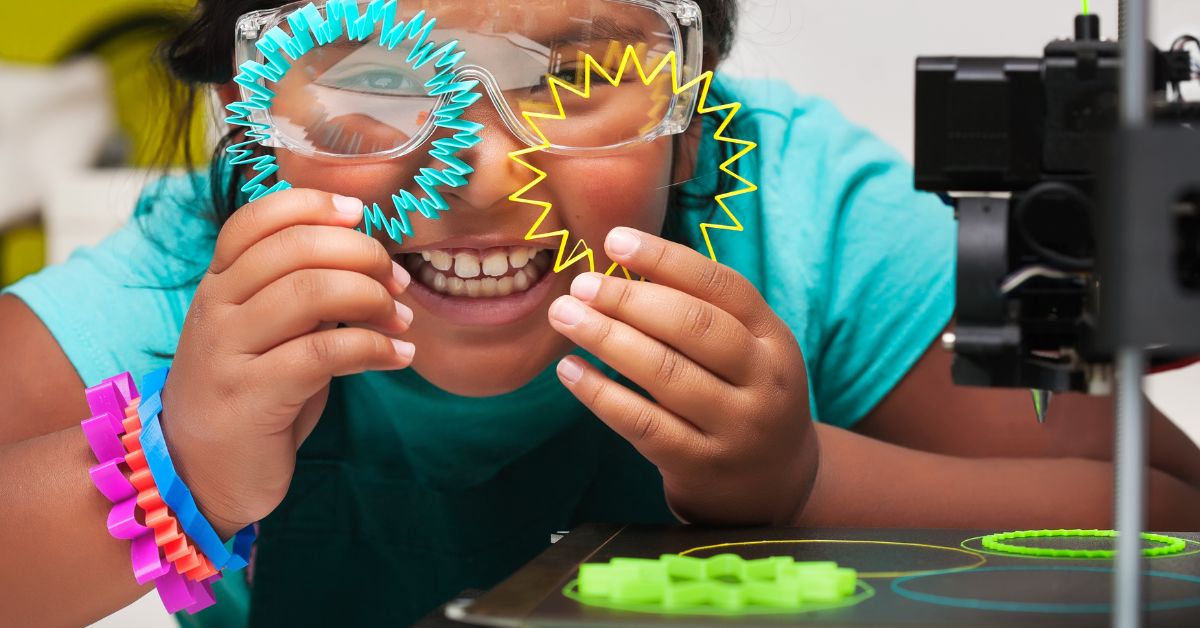
If you’ve ever watched your child take apart a toy just to see what’s inside, you already know something important: curiosity comes naturally. The challenge isn’t getting kids interested in STEM (science, technology, engineering, and math). The challenge is giving them the right outlets so that curiosity grows instead of fading away.
You don’t need a science degree or a perfect setup to spark that interest. You just need a few approachable hobbies that feel like play but quietly build real skills. Let’s walk through some options that fit into everyday life and keep kids engaged without turning your home into a classroom.
Why Hobbies Matter More Than Worksheets
Kids learn best when they feel like they’re exploring, not studying. Worksheets and structured lessons have their place, but hobbies create emotional connection. When your child builds something, experiments, or solves a problem on their own, they gain confidence along with knowledge.
Hobbies also give kids permission to fail. That matters. Trial and error builds resilience, and resilience sits at the heart of STEM thinking. When kids try, mess up, and try again, they start thinking like engineers and scientists.
Building with Hands-On Engineering Activities
Kids love to build things. You can lean into that instinct with simple materials around your house or with beginner kits.
Start with blocks, LEGO sets, or magnetic tiles. These toys do more than entertain—they teach spatial reasoning, balance, and structure. As your child grows, you can introduce more complex building kits like beginner robotics or mechanical sets.
Encourage your child to:
- Build a bridge and test how much weight it can hold
- Design a tower that won’t fall over when you shake the table
- Create a moving structure using gears or wheels
Ask questions while they work. “What do you think will happen if we add more support here?” keeps their brain engaged without taking over the activity.
Exploring Science Through Simple Experiments
You don’t need a lab to do science at home. Everyday materials can turn into experiments that feel exciting and memorable.
Baking soda and vinegar never get old. Neither does making slime or growing crystals. These activities teach chemical reactions, measurement, and observation.
Instead of focusing on getting the “right” result, focus on the process. Let your child predict what will happen before you start. Afterward, talk about what actually happened.
Keep things simple and fun. If it feels like a chore, kids will lose interest fast.
Coding Without Screens (and With Them)
Coding sounds intimidating, but you can introduce it in playful ways—even without a computer.
For younger kids, try “unplugged coding” activities. You can create a simple obstacle course and give your child step-by-step instructions like “move forward three steps” or “turn left.” This builds logic and sequencing skills.
As they get older, you can introduce beginner-friendly coding apps or platforms. Look for programs that use games and visual blocks instead of heavy text.
The key is moderation. Coding should feel like play, not another task on their to-do list.
Gardening as a Science Adventure
Gardening might not scream STEM at first, but it offers a hands-on way to explore biology, ecosystems, and environmental science.
Let your child plant seeds and track their growth. Talk about what plants need to survive like sunlight, water, and soil. You can even turn it into a mini experiment by changing one variable, like the amount of sunlight.
Kids love seeing results they helped create. Watching something grow builds patience and responsibility, too.
Encouraging Curiosity with Tinkering Projects
Some kids love taking things apart just as much as building them. Instead of stopping that behavior, you can guide it.
Give your child old electronics (that no longer work) and let them explore safely. Show them how to use basic tools and talk about what each part does.
This kind of tinkering introduces engineering concepts in a very natural way. It also helps kids understand how everyday objects function.
You might even find yourself learning alongside them.
Introducing Physics Through Play
You don’t need to sit down and explain physics formulas to make the subject click. Play can do the job.
Toy cars, ramps, and tracks create perfect opportunities to explore motion, speed, and gravity. When kids experiment with different ramp heights or surfaces, they start noticing patterns.
This kind of play also opens the door to understanding the mechanics of slot car racing, where speed, friction, and control all come into play. Kids don’t need formal instruction to start grasping these ideas because they learn by observing what works and what doesn’t.
Let them experiment freely. Ask simple questions like, “Why do you think that car went faster?” and let them figure it out.
Creative Tech with Digital Art and Design
Not all STEM hobbies involve wires and tools. Digital art and design also build valuable skills.
Apps that allow kids to create animations, design characters, or build simple games combine creativity with technology. These activities teach problem-solving, planning, and basic programming concepts.
If your child loves drawing or storytelling, this can be a great entry point into STEM. It blends artistic expression with technical thinking.
Making Math Fun Through Everyday Activities
Math often gets a bad reputation, but you can make it feel approachable through daily life.
Cooking works especially well. Measuring ingredients introduces fractions and proportions without any pressure. Shopping can also turn into a math lesson when you compare prices or count items.
Board games help too. Many games require counting, strategy, and logical thinking.
Finding the Right Hobby for Your Child
Every child has different interests, so what works for one might not work for another. The key is to follow their curiosity instead of forcing a specific activity.
Watch what grabs their attention. Do they love building? Exploring outdoors? Drawing? Use those clues to guide your choices.
You don’t need to commit to one hobby forever. Try different things and see what sticks.
Keeping It Manageable as a Busy Mom
Let’s be honest, your schedule already feels full. Adding STEM hobbies shouldn’t create more stress.
Start small. Pick one activity a week or even one every couple of weeks. You don’t need elaborate setups or expensive materials.
Involve your child in everyday tasks. Cooking, fixing things around the house, or organizing can all turn into learning opportunities.
Most importantly, don’t worry about doing it perfectly. Your presence and encouragement matter more than the activity itself.
Building Confidence Along the Way
When kids engage in STEM hobbies, they don’t just learn facts. They build confidence in their ability to figure things out.
Celebrate their effort, not just the outcome. If something doesn’t work, frame it as part of the process. Say, “That didn’t work, so what should we try next?” instead of pointing out the mistake.
Confidence grows when kids feel safe to explore and experiment.
Opening Your Child’s Mind
You don’t need a formal plan to get your kids interested in STEM. You just need a willingness to explore alongside them.
Simple hobbies like building, experimenting, gardening, coding, and tinkering can spark a lifelong interest in learning. When you create an environment where curiosity thrives, STEM becomes part of everyday life instead of something separate.
And the best part? You’ll likely find yourself having fun right alongside your child.