

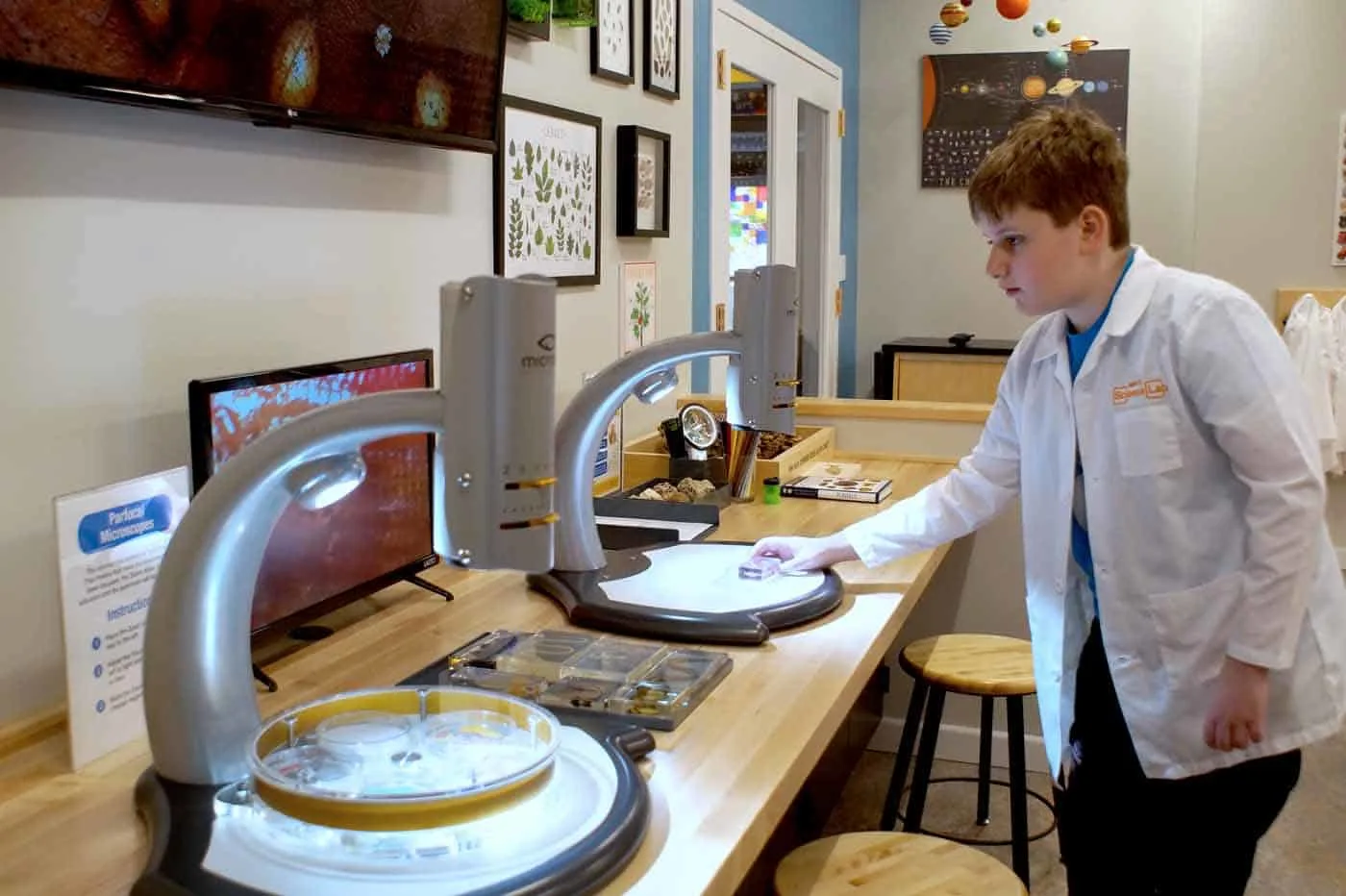
Make Learning Science Fun!
“Science is just magic that works.” – Kurt Vonnegut
To kids, the world is full of magic—but what if we could show them that magic is actually science in action? Teaching kids physics and motion basics through play makes learning both accessible and exciting. Everyday toys and simple activities provide hands-on ways to explore scientific principles, turning lessons into fun adventures.
Understanding Physics and Motion Basics With Everyday Play
Teaching kids physics and motion basics through play doesn’t require complicated experiments or fancy equipment. Regular household objects like ramps and toy cars reveal fundamental concepts such as gravity and friction. Rolling a car down a ramp shows how objects move faster on steeper slopes. Try experimenting with different surfaces like carpet versus wood to show how friction affects speed. Grab a stopwatch and ruler to extend the activity to practice math skills. You can calculate the difference in time for cars to reach a particular spot or calculate the difference in distance traveled.
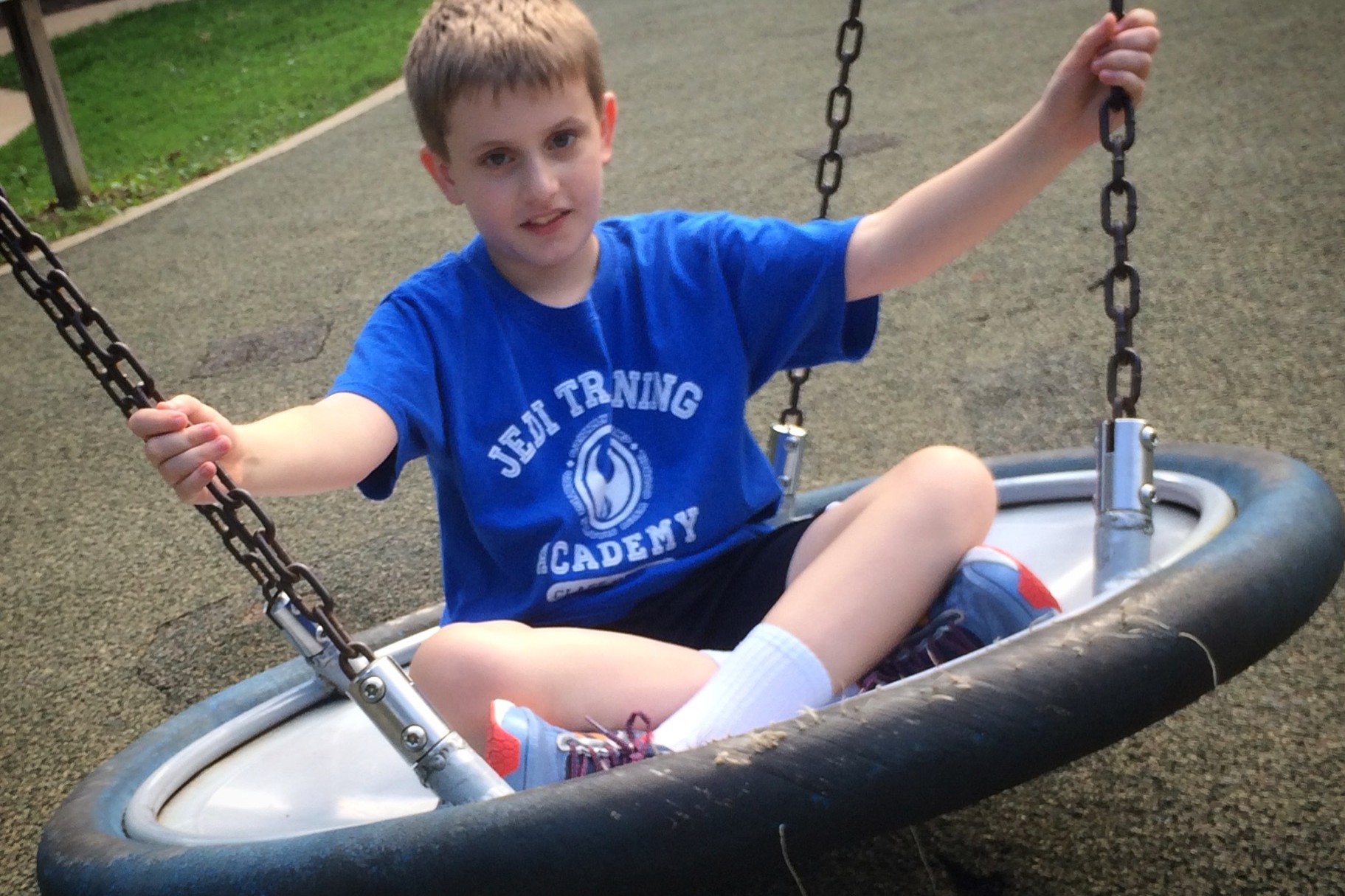
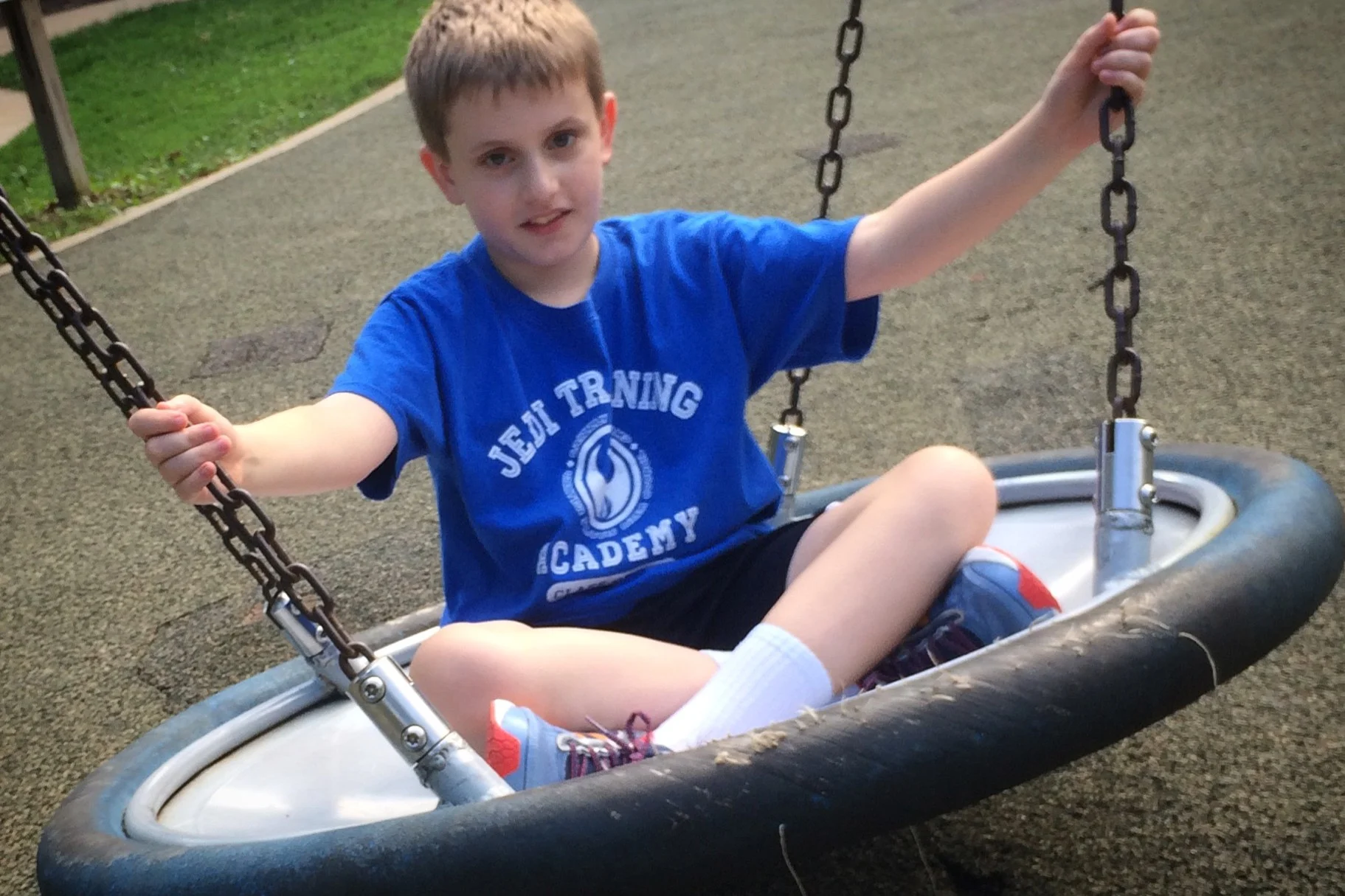
Swing sets also become interactive lessons in physics. Pushing a swing demonstrates the relationship between force and energy. More forceful pushes increase height and speed. Observing how the swing slows down without additional pushes introduces the effects of air resistance. Through play, kids experience real-world examples of motion, velocity, and energy transfer, making science an exciting discovery rather than a boring lesson.
Encouraging Curiosity Through Games
Games that get kids moving offer another fun way to learn motion basics. Foosball, for example, provides an excellent opportunity to explore momentum and angles. Experimenting with the types of foosball shots you can take introduces the relationship between speed and accuracy. Let them discover how faster, harder shots affect the ball’s movement. Ask thought-provoking questions about these mechanics while playing to enrich the experience and improve their critical thinking skills.
Building marble tracks also connects play with scientific principles. As marbles race through twists and turns, kids observe acceleration and gravity in action. Have children adjust the ramps’ angles and observe what happens when the marble rolls down. Ask questions throughout the experiment to encourage critical thinking about the marble’s speed in different areas on the track.
Building Confidence Through Exploration

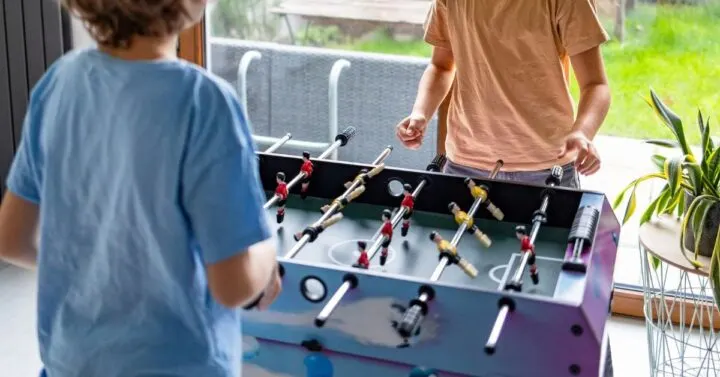
Science becomes less intimidating when kids explore it through hands-on play. Activities like playing foosball and building marble tracks encourage experimentation and help children understand key physics concepts like gravity, speed, and force. By tweaking and retesting their creations, they develop critical thinking and problem-solving skills, all while building confidence in their ability to discover new things.
Play fosters curiosity and a deeper understanding of the world around them. What starts with simple toys and everyday activities can spark a lifelong love of learning, making science feel like a fun and exciting adventure.