
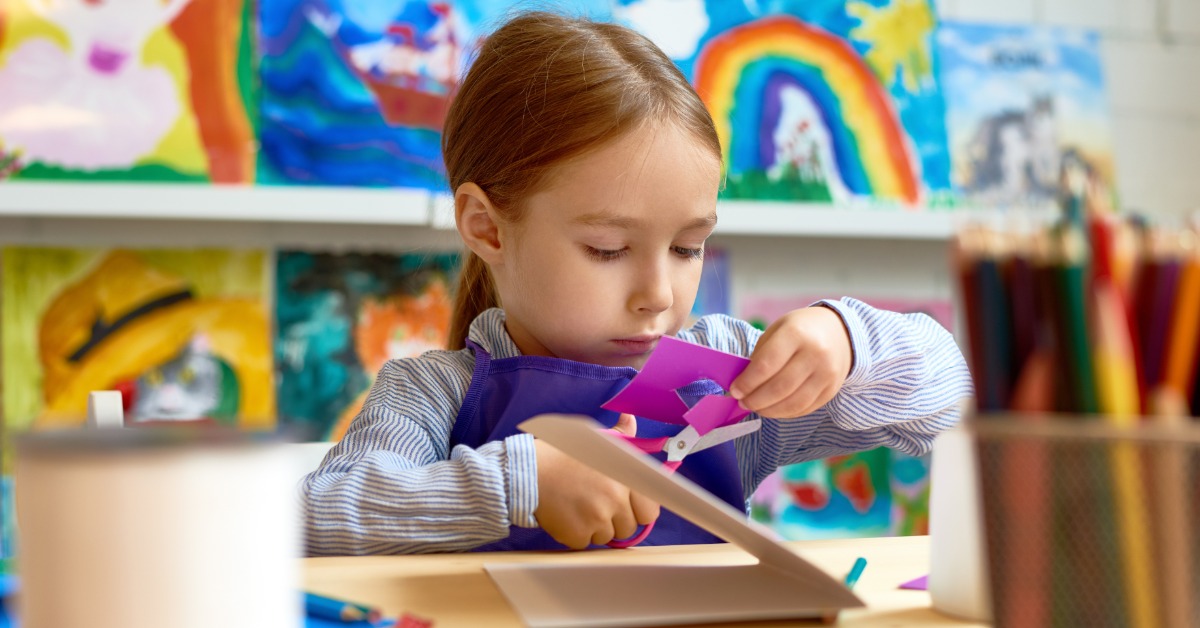
Crafting brings joy to kids, but those projects often break, fade, or fall apart quickly. As their proud parent, you want to keep their creations safe, colorful, and lasting longer than a few days. With the right habits and materials, you can protect those special pieces without turning your home into a museum.
Start With Strong Foundations
Before your child finishes a project, choose materials that hold up well. Thicker paper, sturdy cardboard, and quality glue make a big difference. When kids use weak supplies, their crafts fall apart fast, no matter how careful they act. Help them pick better options early, and you prevent frustration later.
Seal and Protect Finished Pieces
After your child completes a project, you should seal it to guard against damage. Clear sealants add a protective layer that resists moisture and dirt. For more durable crafts, you can apply liquid epoxy to create a smooth, hard coating that keeps colors bright and edges intact. Always supervise when you use stronger products, and keep safety top of mind.
Store Projects the Right Way
Storage plays a huge role in preservation. You should avoid tossing crafts into random drawers or crowded bins. Instead, give each item enough space to stay safe. Try these simple ideas:
- Use clear plastic containers so you can see everything easily
- Keep flat projects in folders or portfolios
- Hang lightweight crafts on walls or boards
- Label boxes with dates or names
Rotate and Display Favorites
Kids feel proud when you show their work. Instead of storing everything, rotate a few favorite pieces into display areas. Frames, clipboards, or simple shelves work great for this purpose. When you highlight their crafts, you also reduce clutter and keep items from getting damaged in storage.
Teach Kids to Handle With Care
Protection starts with habits. Show your kids how to carry, move, and place their projects gently. Encourage them to clean their hands before touching delicate pieces. When they learn responsibility, they help preserve their own creations without constant reminders.
Know When to Let Go
Not every craft needs to last forever. Some projects serve as fun moments rather than keepsakes. Decide which items hold real meaning, and focus your effort on those. You can take photos of short term crafts before you recycle them, so your child still remembers the experience.
Keeping What Matters
When you combine smart material choices, protective finishes, and thoughtful storage, you give your child’s crafts a much longer life. These simple steps keep projects looking great while teaching kids to value their creativity. You create a balance between preserving memories and keeping your home organized, which makes crafting even more enjoyable for everyone.
Another helpful approach involves creating a dedicated craft zone in your home. When kids know where to work and store items, they stay more organized and careful. Use shelves, bins, and small drawers to separate supplies from finished projects. This setup reduces accidents and keeps fragile pieces out of high traffic areas. You also make cleanup faster, which helps everyone enjoy crafting without stress. Over time, these routines build better habits and protect more of your child’s creative work from everyday wear and tear.