
Start a spring garden with your kids to build curiosity, patience, and healthier eating, while creating calm family routines and sweet outdoor memories.

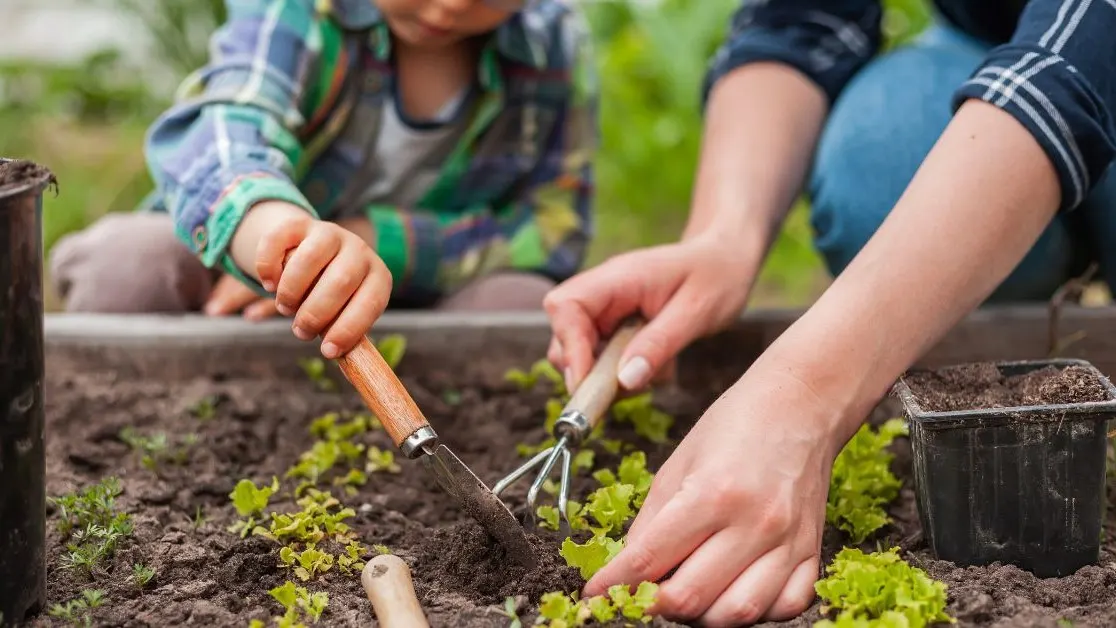
Spring has a way of making everyone a little restless in the best possible way. The windows are open, the air smells different, and suddenly your kids have more energy than your living room can handle. They want to run outside, touch everything, and watch the world change day by day. A small garden gives that energy somewhere meaningful to go, turning ordinary afternoons into something you actually look forward to instead of just trying to fill.
You don’t need to be an expert gardener. You just need a little patch of space and a willingness to get your hands dirty together. Continue reading to explore a few simple but powerful reasons to start a garden with your kids this spring.
Turn Curiosity Into Confidence
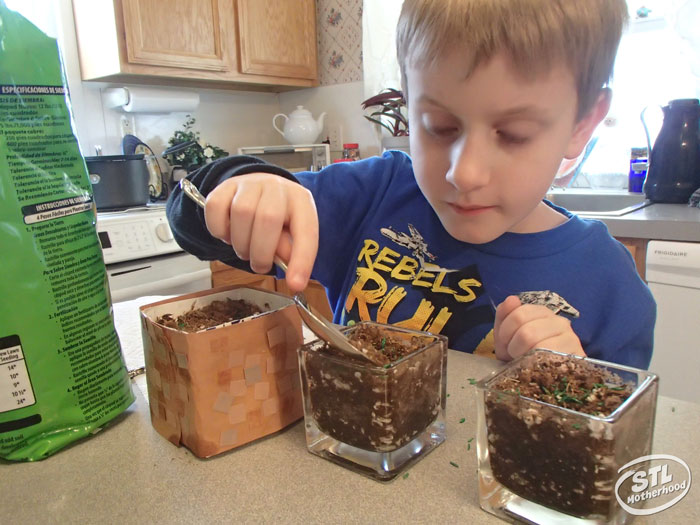
Kids ask a hundred questions a day, and a garden welcomes all of them. Why do seeds look so different? Why do some plants grow fast while others take their time? When children water, weed, and check for sprouts, they learn to trust their own observations. If you want to really plant the seeds of STEM, you can try some garden experiments on your windowsill.

But the first tiny shoot feels like a win that belongs to them. That sense of ownership grows alongside the plants and can spill into other parts of life.
Gardening Builds Patience Without Feeling Like a Lesson
Let’s be honest: teaching patience can feel impossible. Gardens follow their own timeline. Your kids cannot rush a tomato plant into fruit or push a sunflower to bloom overnight. They can show up, do their part, and wait for the payoff.
Waiting feels easier when it comes with small milestones. One week brings sprouts. Another brings new leaves. Before long, the kids will run outside to check progress, as if it matters, because it does.
Makes Healthy Food More Interesting
There’s something magical about eating food you grew yourself. Kids are try new foods when they help grow them. A garden can turn greens from a hard no into a curious maybe. Even picky eaters may nibble a pea or taste a strawberry with pride.
You can also use the garden to talk about where food comes from in a calm, natural way. The kitchen can feel less mysterious when kids watch ingredients grow.
Creates Calm in a Busy Season
Spring schedules fill up fast, and family life can feel loud. Gardening slows the pace without demanding much. You step outside, pull a few weeds, and breathe for a minute. The simple act of caring for something living can reset the mood of the whole afternoon.
Kids tend to settle into the rhythm too. Hands in dirt, eyes on a ladybug, and attention on simple tasks can bring a kind of quiet that screens rarely deliver.
Encourages Teamwork and Shared Responsibility
A garden works best when everyone has a role. One child can water. Another can look for pests. Someone can help pick herbs for dinner. These jobs feel real, not like pretend chores.
You can also make small rituals around it, like checking the garden after school or watering together before bedtime. Those routines strengthen family connections in a gentle way.
Teaches Practical Skills That Stick
Kids learn how to use basic tools, follow steps, and clean up afterward. They also learn that small actions matter. A missed watering can show up quickly, and a little care can bring big results.
Organizing your gardening tools helps the whole project run smoothly. When kids know where the trowel goes and where the gloves belong, they can jump in faster and feel more capable.
Final Thoughts
You do not need a big yard or fancy supplies to start. A few containers, a handful of seeds, and a sunny spot can spark something wonderful. When you garden with your kids this spring, you grow food, patience, and family memories. By summer, you may find the garden has become the place everyone goes to reset and reconnect.