
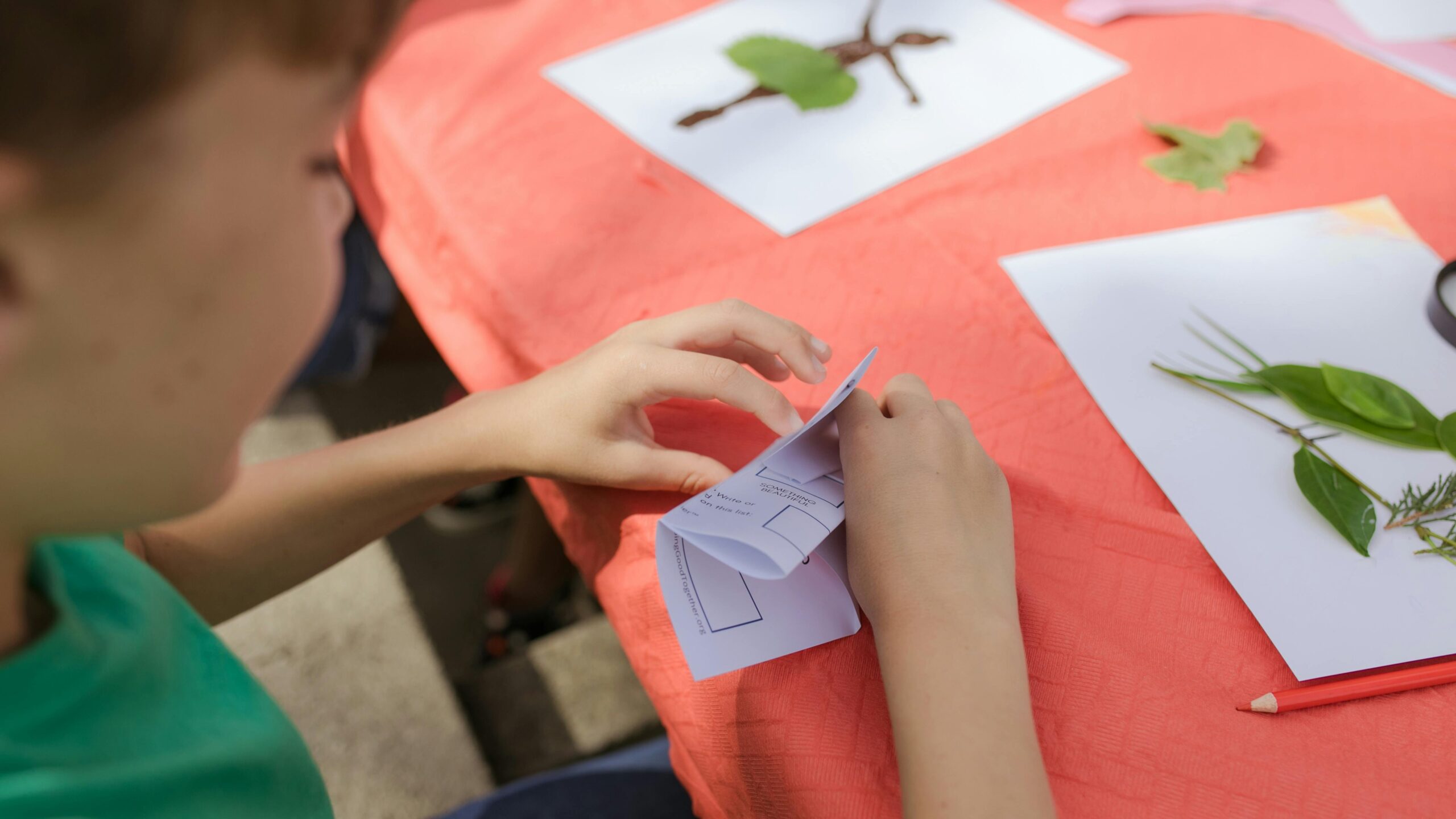
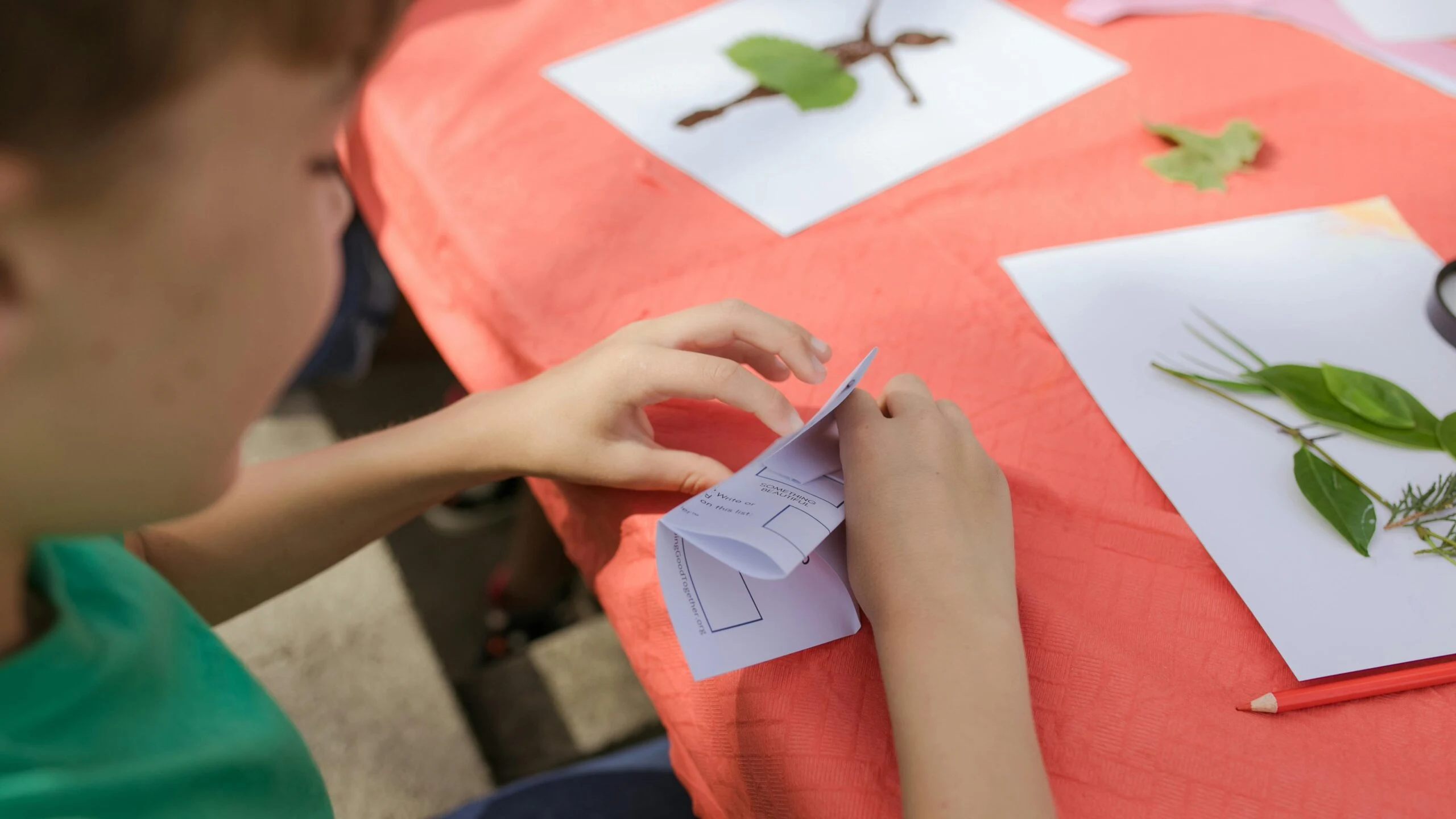
Let’s face it, not all children love to sit still, some of them are born to create! These are the kids who would rather build towers with blocks than sit and learn shapes. They are the ones who prefer to take things apart to see how they work. STEM learning, especially through hands-on projects, tend to spark that innate curiosity. The best part? There’s no need for any special science lab or equipment. Just a bit of space and some items most people have on hand.
Maybe a just a corner with rugs will do the trick, so kids can easily spread things out.
This post may contain affiliate links. If you make a purchase through these links, I may earn a small commission at no extra cost to you. I only share products I truly love or would use with my own family.

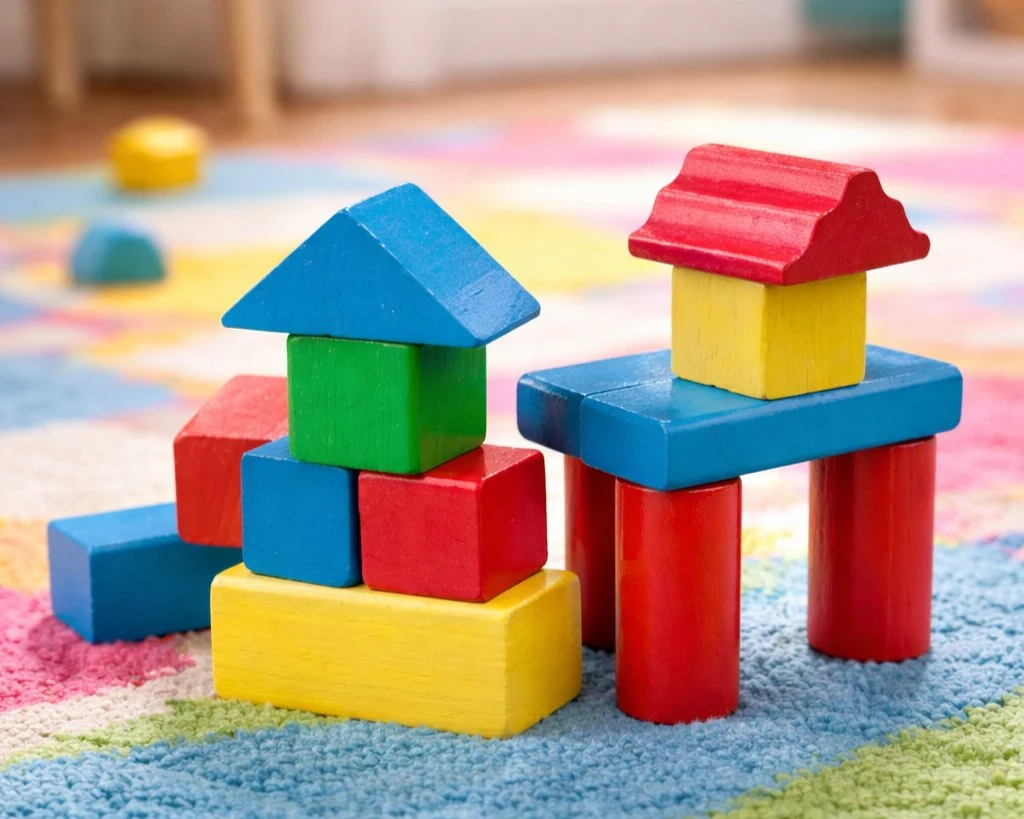
Play Develops Engineering Skills
When a child builds a cardboard bridge from scratch, they’re doing more than just playing — they’re testing an idea to see if it works. It might wobble, or even fall down completely, and that’s okay. They’ll rebuild it, tweak it, and try again. That’s real learning happening in real time.
This kind of hands-on play is simple engineering at its best. The goal isn’t perfection, but the process of trying, failing, and trying again. Along the way, kids build confidence, problem-solving skills, and the freedom to think creatively, all while having fun.
And when it does happen on the soft rug and with blocks everywhere, it is not just a mess, it’s a workshop! STEM doesn’t mean being still. Many people only see STEM as screens or complicated robotics classes, but it begins with moving, touching, and observing. Think of a toddler stacking books or a child pouring water and wondering why some things float.
That is where Montessori materials become so helpful. These simple, quiet, and well-made tools invite kids to explore. Think wooden blocks, interlocking discs, and peg puzzles. They help the child learn to pay attention, slow down, and notice what they’re doing.
Create an Engineering Station at Home
You don’t need to make over an entire living room; just select a small area will do, like a dedicated table or a rug. That small space puts boundaries on a project, and children will start associating that space with building time. Some families use large storage bins simply to put everything away after play. This helps kids keep track of things and aids in a quicker clean-up, so kids can build whenever they want.
Simple STEM Challenges to Try
You don’t need much: paper towel rolls, tape, string, cardboard boxes, clothespins, and rubber bands may be all you need.
Got LEGOs? Great! If you give kids a pile of boxes and say they can do whatever they want, they’ll probably construct a catapult or a tower as tall as themselves. If you want things more organized, try this:
The “Bridge Challenge”
Give your child two chairs and a few books or blocks. The goal is to have your child make a bridge with only paper and tape that can hold a toy car when finished. The only rules? They can’t use glue or scissors! You will be amazed at how creative your kid can be. Some children roll the paper into tubes, and others fold the paper like an accordion. And if this fails, they try again, and that is the idea!
It sounds easy, and it is! What counts is the learning that takes place. Kids find out about the strength and balance of the materials and learn to solve problems and have patience.
The Ball Run
This is when you take a few toilet paper tubes with some tape and let your child tape them on the wall or furniture for a ball run. The objective is to play with angles. If an angle is too steep, the ball will fly off; if the angle is too flat, the ball will not move. It’s all about physics, but your kid doesn’t need to know this! Just let them figure it out on their own.

Take STEM Outside
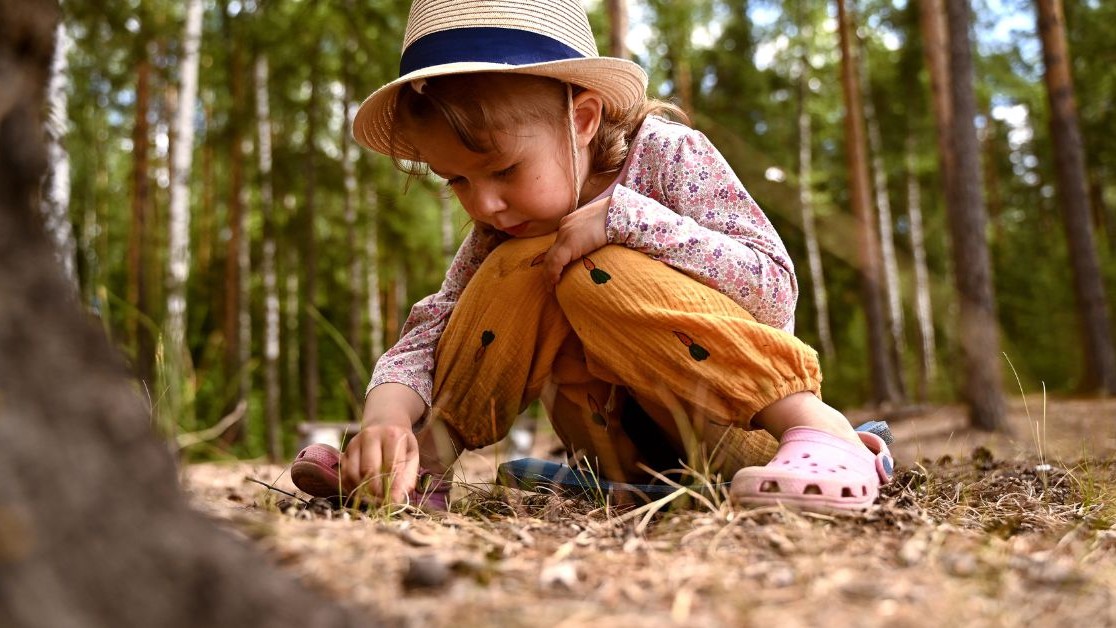
STEM doesn’t have to be indoors. Take water, spoons, cups, leaves and sticks to a nearby park or your backyard.
Ask your child: What floats? What sinks? Why?
Now, attempt to create a raft of twigs and rubber bands. See whether it will be able to hold a pebble. If not, then try again. In allowing children to explore without rules, they can slowly build up their confidence. There’s no need to get it right. Just try, learn, and maybe get muddy.
Montessori Toys that Support Engineering
They’re not required, but Montessori materials are great gifts or additions to your playroom: think stacking toys, lacing cards and interlocking wooden gears that turn together. These aren’t passive toys. They make a child think and problem solve. This type of focus builds problem solving skills that will be useful later on in life.
Also, good Montessori toys are made from natural materials, so they feel nice, stable and not too distracting in small hands.
Why Spaces Matter
A quiet, organized space helps kids focus. A soft classroom rug for example does more than save knees; it sets a boundary. This is where we build, and that’s where we read. Even at home, a rug or mat makes activities feel important and organized, while not being too formal. In school, children sit on rugs during circle time or for doing group projects. It’s a place for learning, teamwork, and finding new things.
When STEM happens within such a space, children feel that it is a time to be creative, secure, and where mistakes are okay.
Let Kids Take the Lead, Even If It Gets Messy
It’s tempting to give answers or to teach your child how it’s done properly. Sometimes, stepping back and letting your kid work it out themselves is best. You may be surprised! A tower that was built all crooked may not fall, and that paper airplane with one wing bent may be all right after all. Such surprises remind your child that one learns through trial and error.
And yes, it might get messy. There may be bits and pieces all over the rug. That’s OK. That’s how you know it was a good day!
Libraries and Play with STEM
The best experiences in the areas of STEM don’t always happen at home. Libraries often host maker days or building workshops, LEGO clubs, story times with STEM themes and tinkering tables. The advantages of such programs are that they are free, easy to access, and have materials you may not own.
If your library has a play space, go check it out. You may observe children playing with magnet tiles, marble runs, or simple robots. What is more crucial, however, is the quiet message that says: You can explore and learn here. You don’t need to be an engineer to support a child who likes to build. You just need to let them be curious.
Ask open-ended questions: What do you think will happen if we do this? Why do you think it fell over? Don’t bother setting goals every time. Sometimes, the best ideas come from just randomly playing around.
One Last Thought
For children, play is their work. That’s how they try out ideas and figure things out and build confidence. With simple materials, a comfortable space like a rug, and some time to try things, you’re supporting learning. You don’t need a STEM degree to make early engineering possible. You just need a little space and a little patience to let your child take the lead.