
Help your kids develop a healthy relationship with technology by using these tips to manage screen time and encourage more hands-on, creative activities at home.


Finding the right balance between screen time and hands-on play is something many of us wrestle with as parents. Screens can be fun, educational, and even a way for kids to stay connected—but too much of them can crowd out creativity, imagination, and good old-fashioned play. Helping kids step away from devices and into creative activities isn’t always easy, but it’s an important part of raising curious, confident problem-solvers.
The good news? You don’t have to ban screens altogether to find that balance. With a few simple routines and some engaging, screen-free options, you can create a rhythm that works for your family. It’s all about blending digital time with creative play in a way that feels realistic, not restrictive.
Create a No Screen Zone or No Screen Play Time

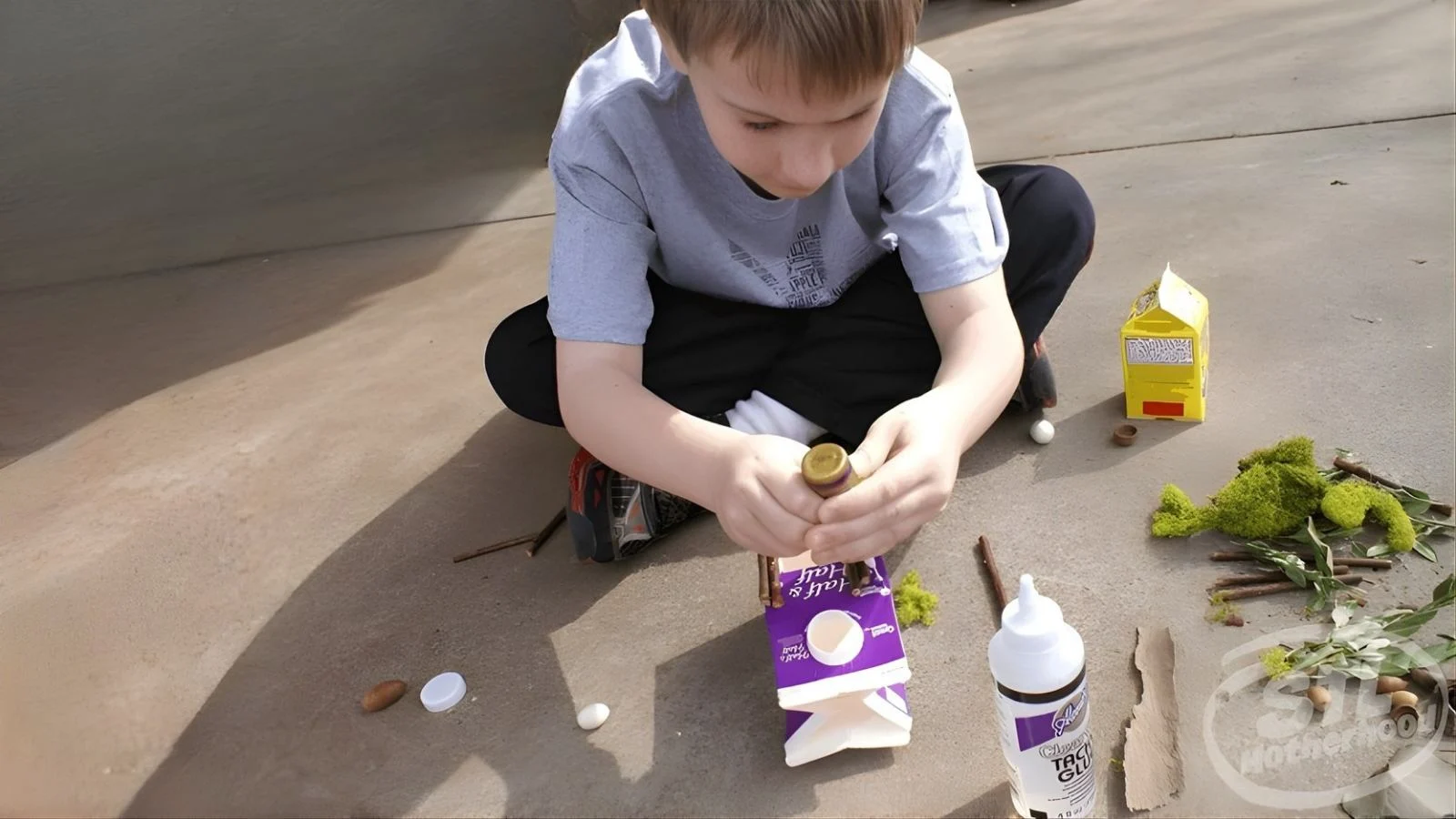
Creating a screen-free zone in your home can gently nudge kids toward other kinds of play. It doesn’t have to be fancy! A corner of the living room with art supplies, books, LEGO bricks, or building kits works just fine. Over time, kids learn that when they’re in that space, it’s a place to create, build, and imagine rather than scroll or tap.
You can also make screen breaks feel easier by building them into your daily routine. Setting aside a regular “no-screen” time—like the hour before dinner—gives kids a clear expectation of what comes next. When it happens at the same time each day, the transition feels less like a battle and more like a normal part of the day, helping everyone switch gears more smoothly.
Stock up on Awesome Screen Free Activities
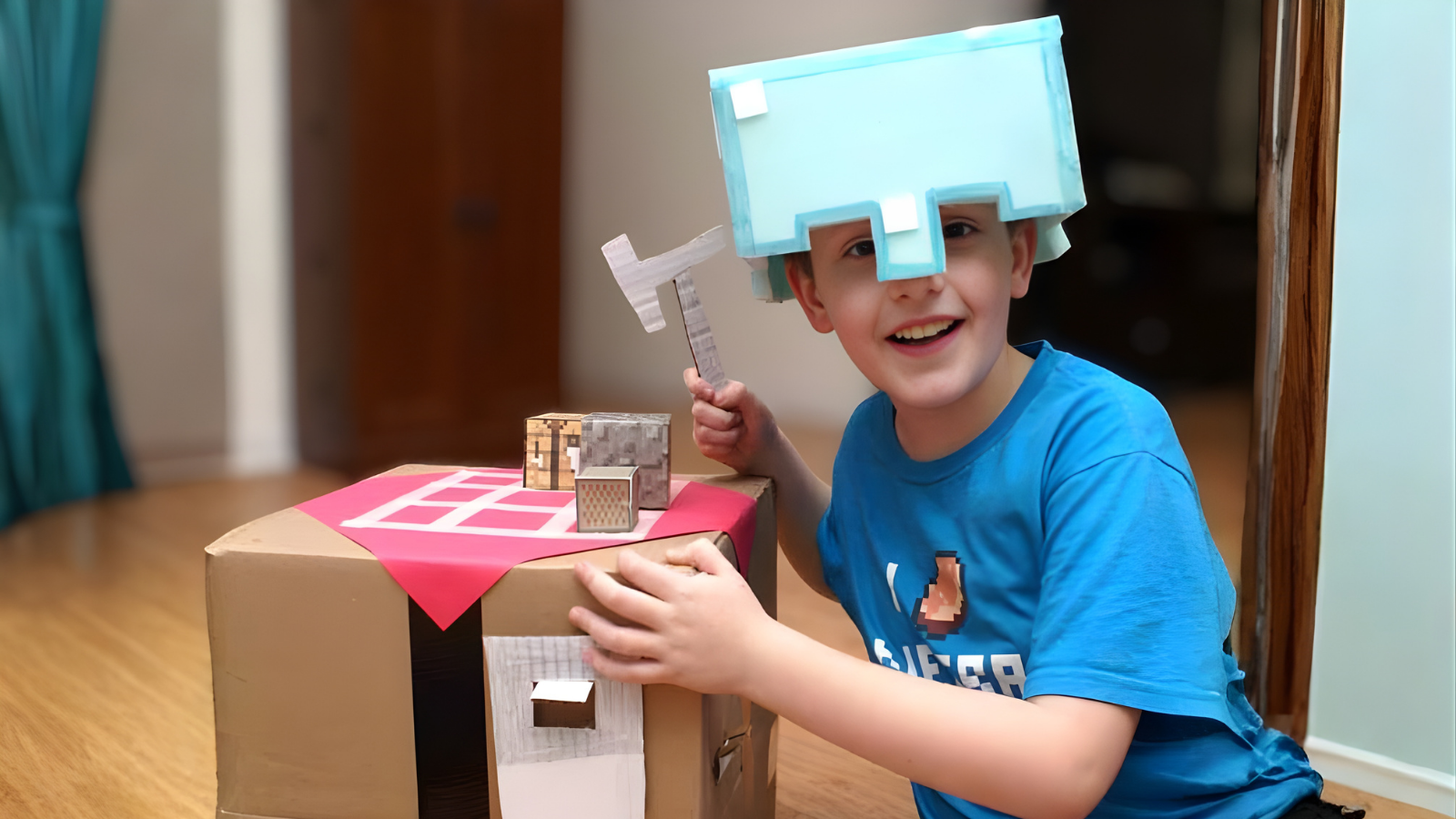
A well-stocked craft closet or maker kit makes creative play an easy, inviting choice. When kids have a variety of materials within reach—like paper, markers, cardboard, tape, or building pieces—they’re more likely to follow their curiosity and dive into their own projects without needing a screen to get started.
Fun Screen-Free Ideas:
- Art Supplies: Crayons, markers, paint, and construction paper.
- Building Materials: LEGOs, magnetic tiles, or classic wooden blocks.
- STEM Kits: Simple science experiments or coding toys.
- Outdoor Gear: A magnifying glass for backyard exploration or a bucket for collecting nature treasures.
Rotating these supplies every so often keeps things feeling fresh and exciting without needing to buy anything new. When kids have interesting options right in front of them, they’re less likely to reach for a screen out of boredom. Instead, they start learning how to entertain themselves—and that’s a win for everyone.
Get Outside
Nature is an endless playground for imaginative play, and it just happens to be screen-free! Spending time outdoors gives kids a natural break from devices while engaging all their senses. A family walk, a trip to the park, or even unstructured play in your own backyard can go a long way toward encouraging movement and curiosity.
If your kids are reluctant to head outside, try meeting them where they are. Turning outdoor time into a real-life Minecraft adventure—like a backyard scavenger hunt for “resources”—can make fresh air feel just as exciting as screen time, while still getting them moving and exploring.
Some parents find it helpful to encourage independent play in children with autism by creating structured outdoor activities, like a nature scavenger hunt with a visual checklist. This approach provides clear goals and a sense of accomplishment.
Model Healthy Habits
Kids take their cues from us—whether we realize it or not. When we model a healthy relationship with technology, it sends a powerful message. Putting your phone away during meals or family time shows that being present matters. Picking up a book, working on a hobby, or jumping into creative play alongside your kids makes it even easier for them to follow your lead.
When children see you enjoying life beyond a screen, they’re more likely to do the same. Being mindful of your own screen habits doesn’t just set rules—it creates an environment where creative play feels like the natural choice.
Find Ways to Connect Tech and Creativity

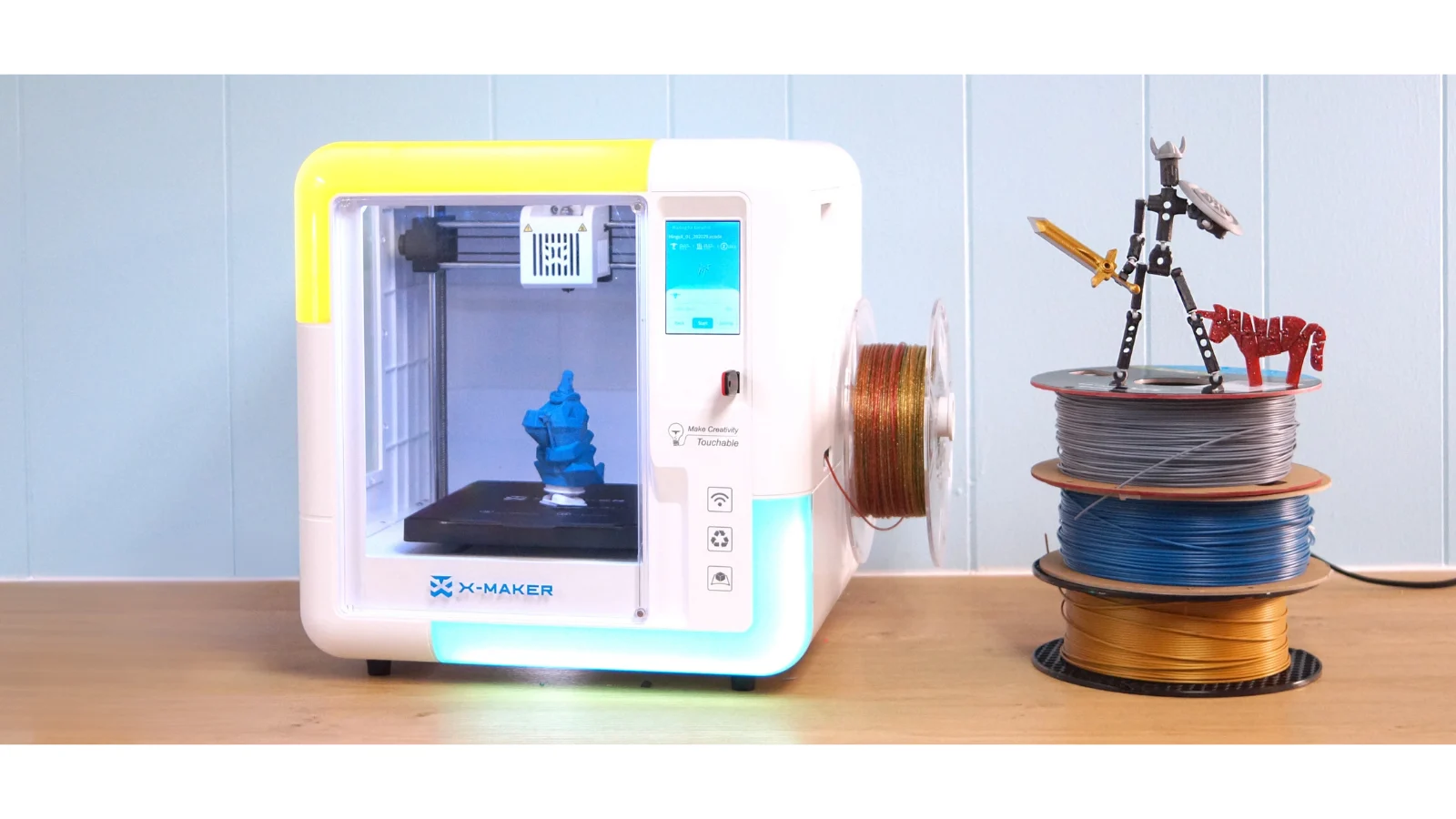
Technology can also serve as a tool for creativity rather than just consumption. Introduce your children to activities that blend digital and physical worlds. For instance, they could use a tablet to search for a 3D printing design and then create it with a 3D printer. There are several 3D printers that are even made JUST FOR KIDS!
They could also film a stop-motion movie with their toys or use a coding app to program a robot. These activities teach valuable STEM skills while allowing for creative expression, showing kids that technology can be a medium for making things.
Create a Fun and Balanced Family Life
By setting clear boundaries, offering inviting alternatives, and modeling the habits you want to see, you can help your kids develop a healthy relationship with technology. Screens don’t have to disappear—they just need balance. With a little intention, you can create a family rhythm where screen time and creative play comfortably coexist, and kids feel empowered to enjoy both.