
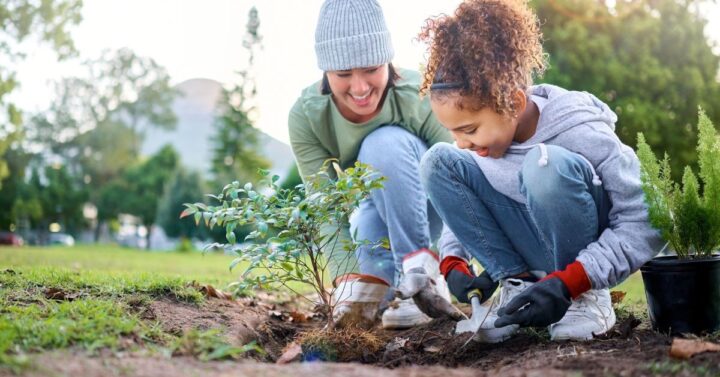
Get your kids outdoors and enjoying nature while helping them learn valuable skills by making small gardening tasks easy and engaging for them.
This post may contain affiliate shopping links that support the blog at no cost to you.
Gardening offers a refreshing alternative to watching TV or scrolling on the phone, especially for children who need a hands-on, meaningful way to explore their environment. With the right setup and approach, you can introduce them to science, creativity, and responsibility all within a few square feet of soil. Often, children who connect to a space they helped shape return to those spaces with pride, curiosity, and purpose.
Start With Projects That Match Their Age and Interests
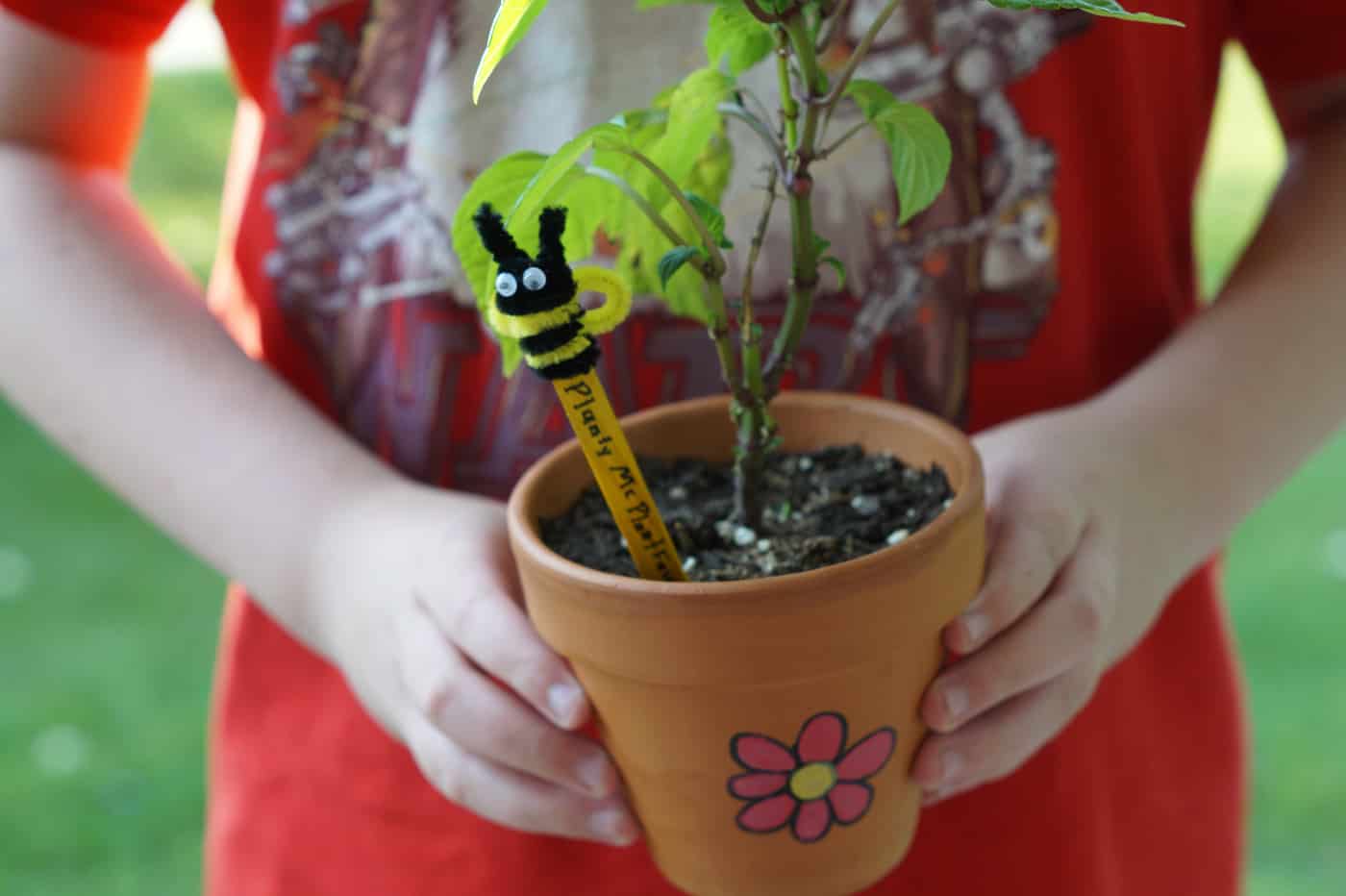
Younger children thrive when they work with plants they can eat, smell, or easily identify, such as strawberries, mint, or sunflowers. Tweens might enjoy small-scale engineering projects, such as drip irrigation or designing themed garden sections. A five-year-old may prefer scooping soil into bright planters, while a twelve-year-old might spend hours building a compost sifter or designing plant markers.
Kids feel more capable when their garden jobs align with their abilities and personal interests, especially when they can show off the results. In many cases, planting something they chose and care about makes gardening easier and engaging for children because it creates a lasting emotional investment.
Choose Tools That Fit Small Hands and Build Confidence
Child-sized gardening tools help kids dig, plant, and water with more control and far less frustration. A small rake or sturdy trowel becomes a tool for independence, not a novelty that they outgrow in minutes. Poorly fitting tools break easily and can even discourage participation, especially when the soil feels too hard or a sprayer is too heavy.
Optimize Organization
A clean, accessible storage system improves safety since children know exactly where to find the tools they need and where to return them when finished. Organizing tools using labeled buckets, mounted garage wall racks, and color-coded bins creates consistency and eliminates mess before it starts. Kids who can grab a watering can without tripping over a rake or tangled hose will feel more in control and more willing to take part.
Garages and sheds benefit from garage wall storage systems that allow buckets and gloves to hang at eye level instead of getting lost under clutter. Having a tidy system with clearly marked spots makes gardening easier and engaging for children, especially when they can manage the gear without adult intervention.
Incorporate Quick Wins To Maintain Momentum
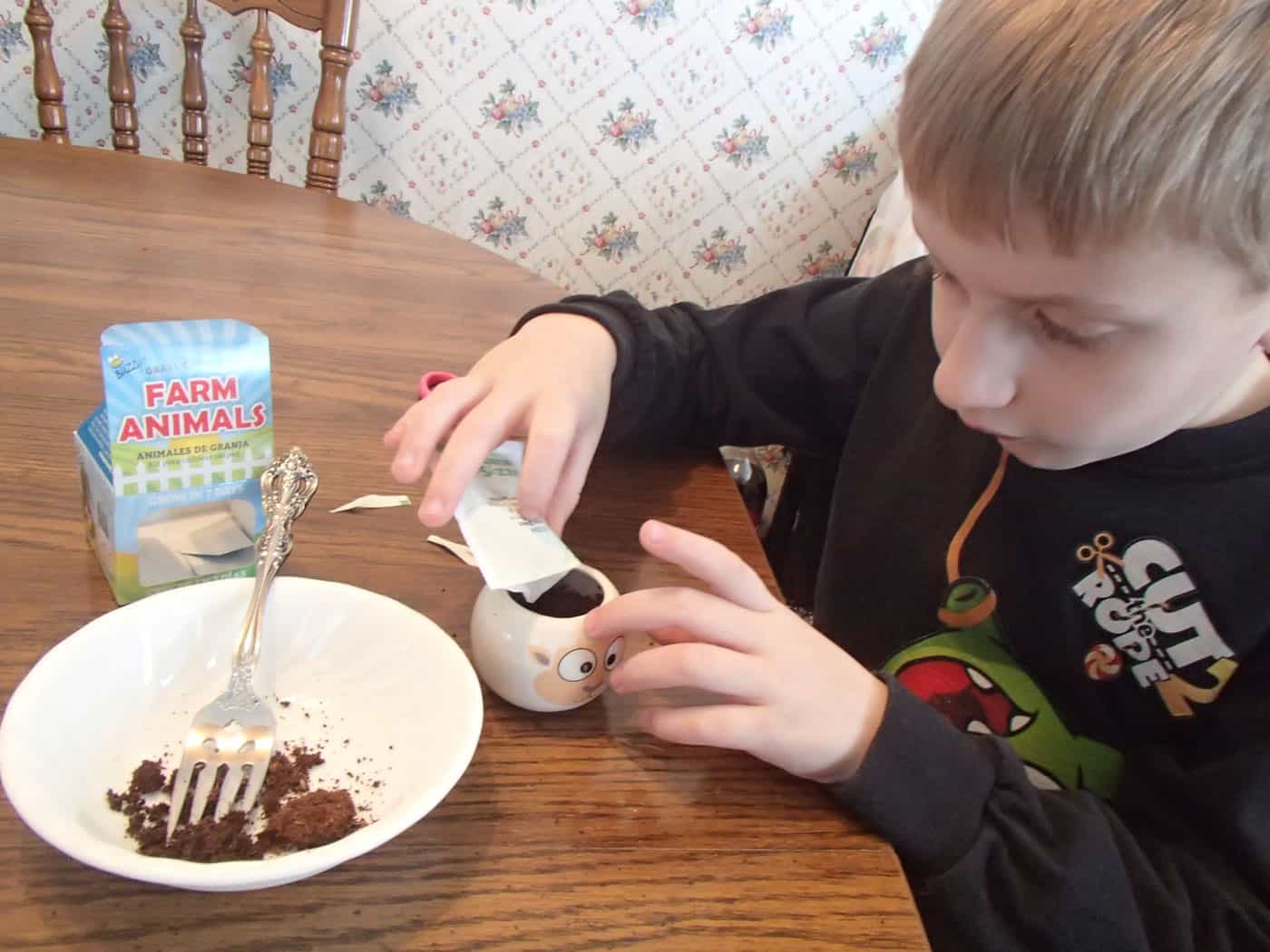
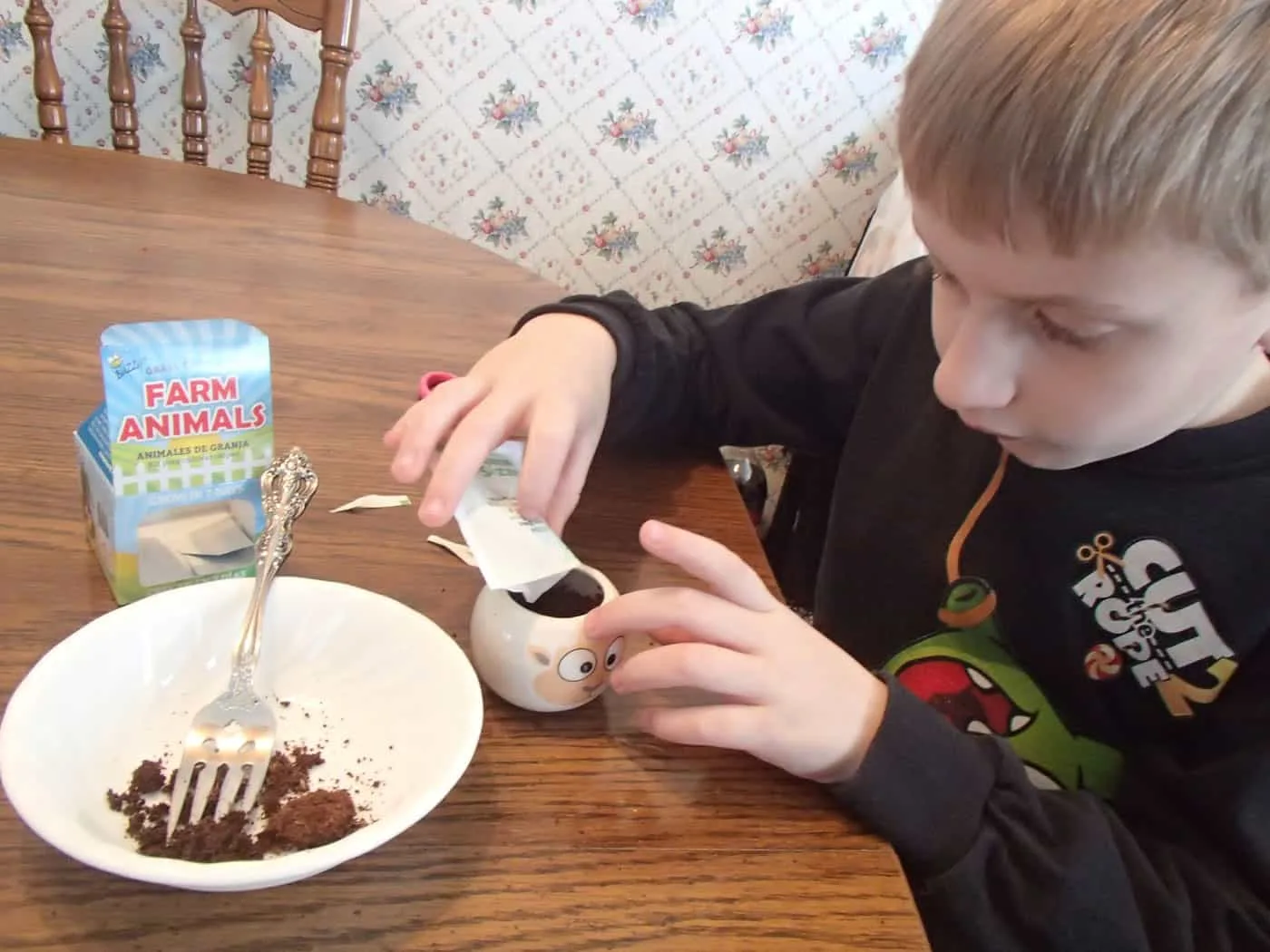
Quick success builds momentum and encourages return visits to the garden without nagging or reminders. Radishes, snap peas, and zinnias all grow fast enough to show noticeable progress within days, giving kids something to celebrate. Journaling changes, photographing growth, or measuring stalk height each week gives visual feedback that supports learning.
Kids feel empowered and stay connected to the activity when they can see the results of their efforts. Even better, they start to plan for their next project—one of the strongest signs that gardening has taken root.
Create Spaces for Imagination and Free Play

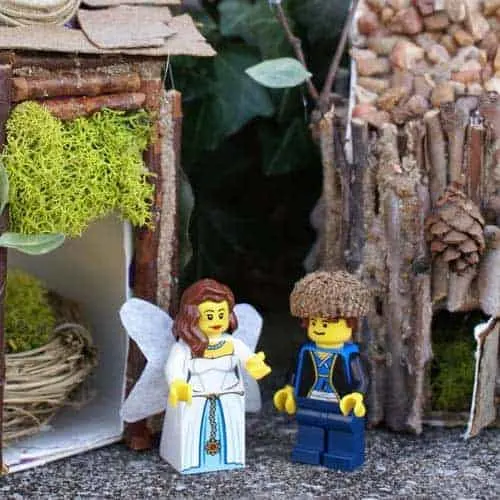
Miniature worlds give children a reason to see the garden as more than chores and vegetables. A fairy garden, dinosaur dig pit, or garden gnome trail introduces storytelling and play into the physical environment. Paintable garden stones, upcycled sculptures, or personalized signs offer a way for kids to contribute creatively.
Some children prefer imaginative exploration to structured tasks, but both support sensory learning and deeper engagement. Give your kids freedom within a framework to reflect their imagination, and watch them build a long-lasting, healthy habit.